Logo Design Considerations for a Lynx Business
According to LOGO.com data, the five most popular colors in lynx logos created on LOGO.com over the past 12 months were white at 29%, black at 19%, blue at 11%, green at 10%, and orange at 7%. White and black create crisp contrast that suits the lynx's watchful eyes and dark ear tufts, while blue, green, and orange can bring out a quiet forest mood or a burst of motion. For a lynx logo that stays clear on trail gear, wildlife materials, and small profile images, begin with a white or black base and add one strong color for the eyes or movement.
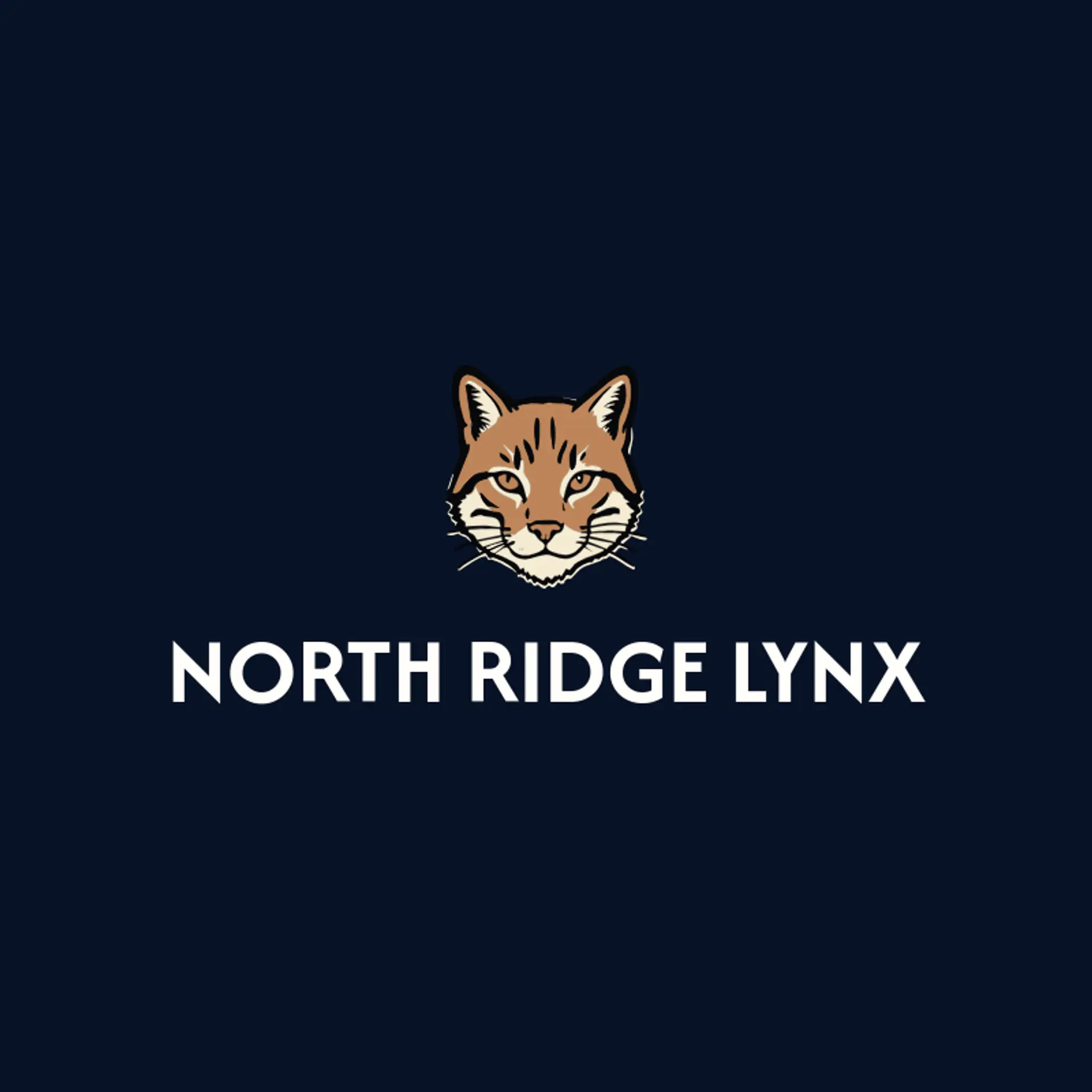
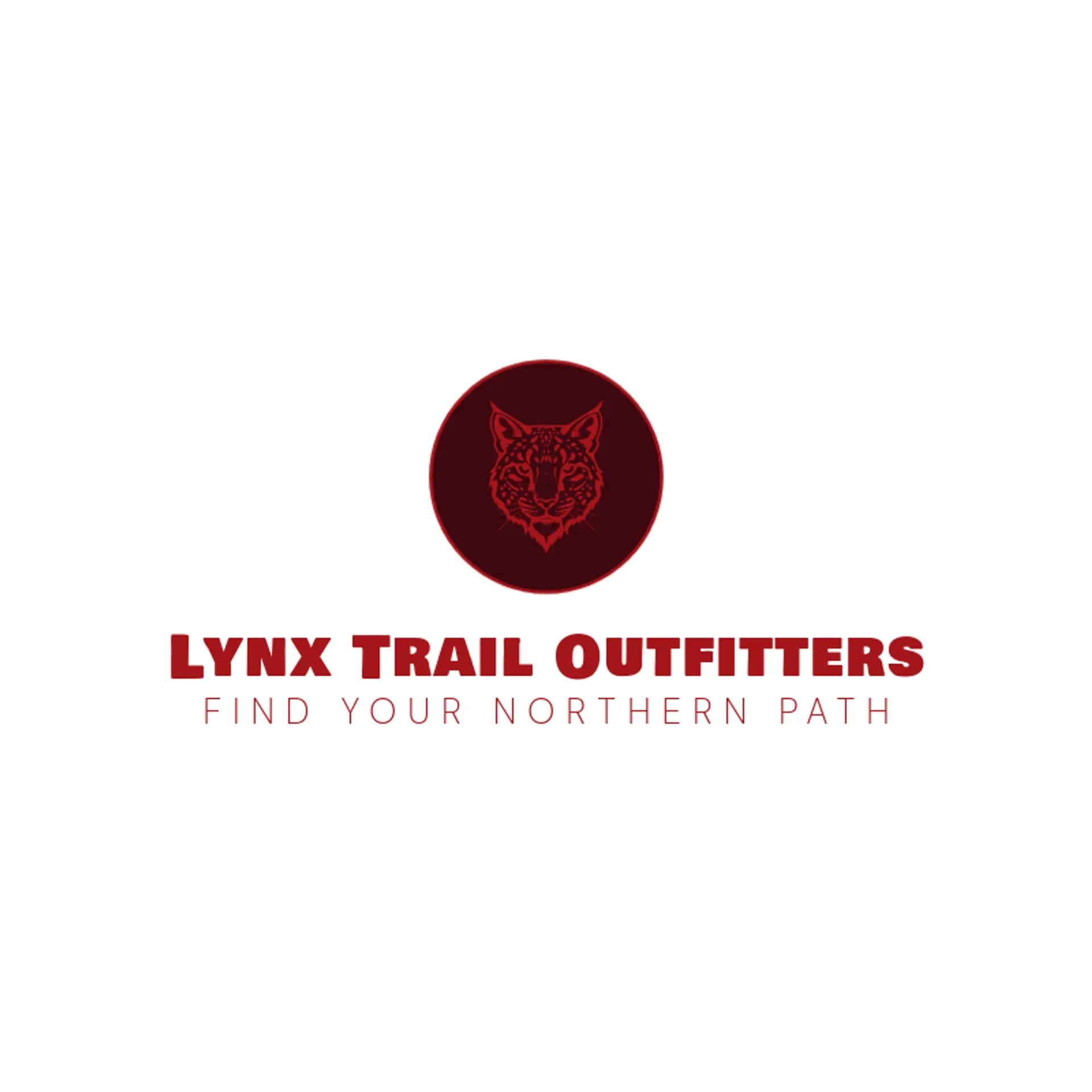
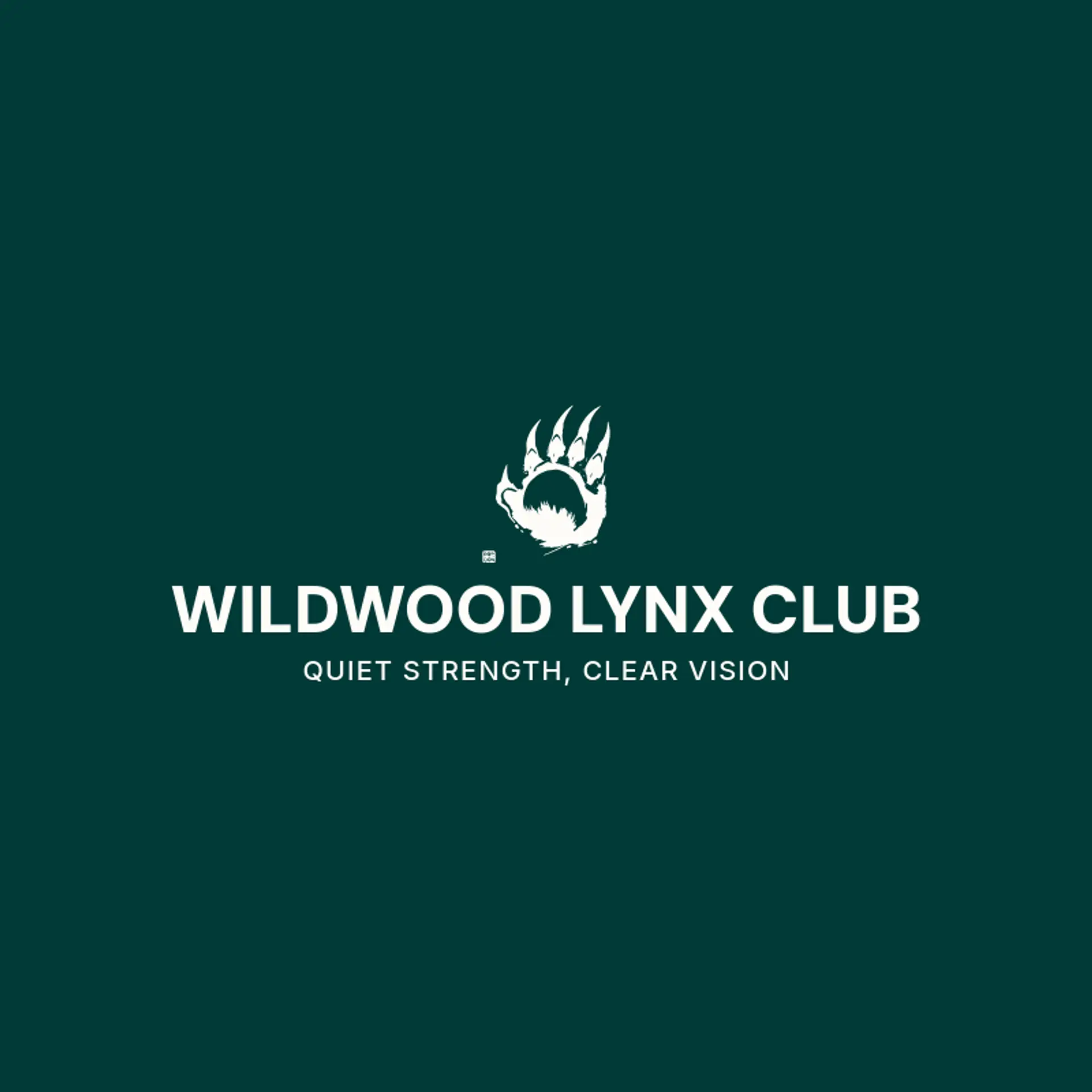
A lynx head is recognizable through its pointed ear tufts, wide eyes, and short muzzle, so simplify those features into a bold silhouette or a few clean lines. A full lynx in mid stride can suggest agility, while a paw print beside a rising trail line gives the logo a quieter outdoor feel. Try framing the wordmark with two upright ear shapes, or place a small moon, pine branch, or mountain peak beside the animal to suggest a northern habitat. For a team or club, explore a sharp forward gaze and a strong shoulder shape; for a conservation group, use a calm seated lynx with open space around it.
Icons To Make Your Lynx Logo Stand Out
The same contrast that makes those lynx colors easy to recognize gives the lettering a strong foundation. According to LOGO.com data, sans serif typefaces appeared in 79% of lynx logo font category lists over the past 12 months, with display at 11% and serif at 6%. The most common individual fonts were Open Sans, Albert Sans, and Darker Grotesque at 9% each, followed by Schibsted Grotesk and Belanosima at 6% each. Pair a direct, sturdy wordmark with white or black and a single blue, green, or orange accent so the name remains legible beside a compact feline mark.
Lynx Logo Ideas FAQs
Browse Related Logo Ideas
Alligator logosBeast logosBeaver logosBison logosBuffalo logosBull logosBulldog logosBunny logosButterfly logosCardinal logosCat pet care logosCow logosCoyote logosCrocodile logosDinosaur logosDog daycare and training logosDolphin logosFrog logosGamefowl logosGiraffe logosGoat logosGorilla logosHornet logosHummingbird logosLion logosMonarch logosOctopus logosPanda logosPanther logosPeacock logosPenguin logosPet care logosPet grooming logosPet logosPet sitting logosPhoenix logosRabbit logosScorpion logosShark logosSnake logosSpider logosTiger logosWildcat logosWolf logosCrow logosDuck logosElephant logosHawk logosHusky logosMonkey logos