

















Logo Design Considerations for a Greek God Business
According to LOGO.com data, the five most popular colors among logos with education in their names on LOGO.com over the past 12 months were white at 27%, black at 16%, blue at 13%, green at 10%, and grey at 8%. White and black create a commanding contrast that suits the larger than life presence of Greek gods, while blue and green can bring calm and energy to mythic stories. For a Greek god logo, start with a clear dark and light pairing, then use one vivid accent to make the divine symbol stand out.
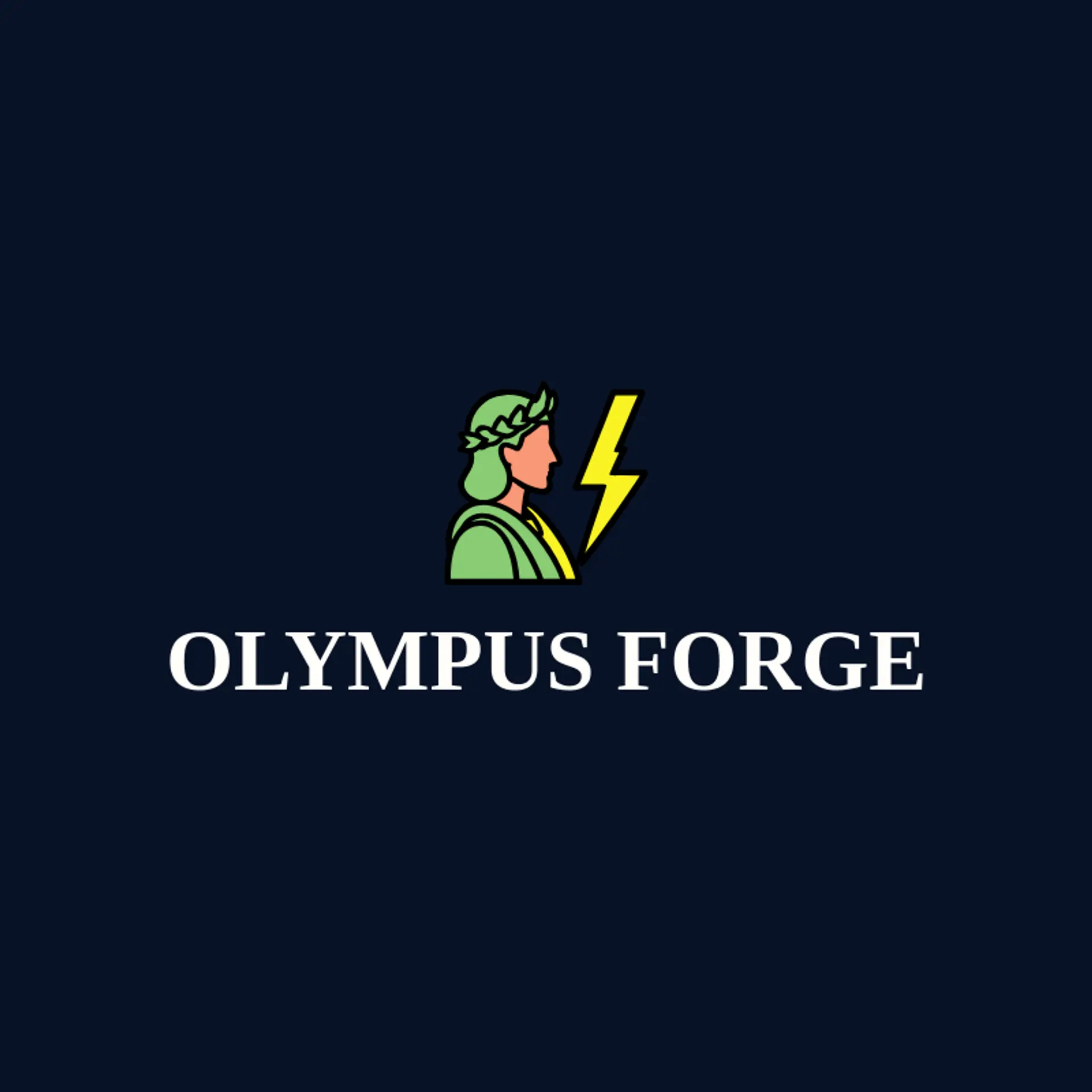
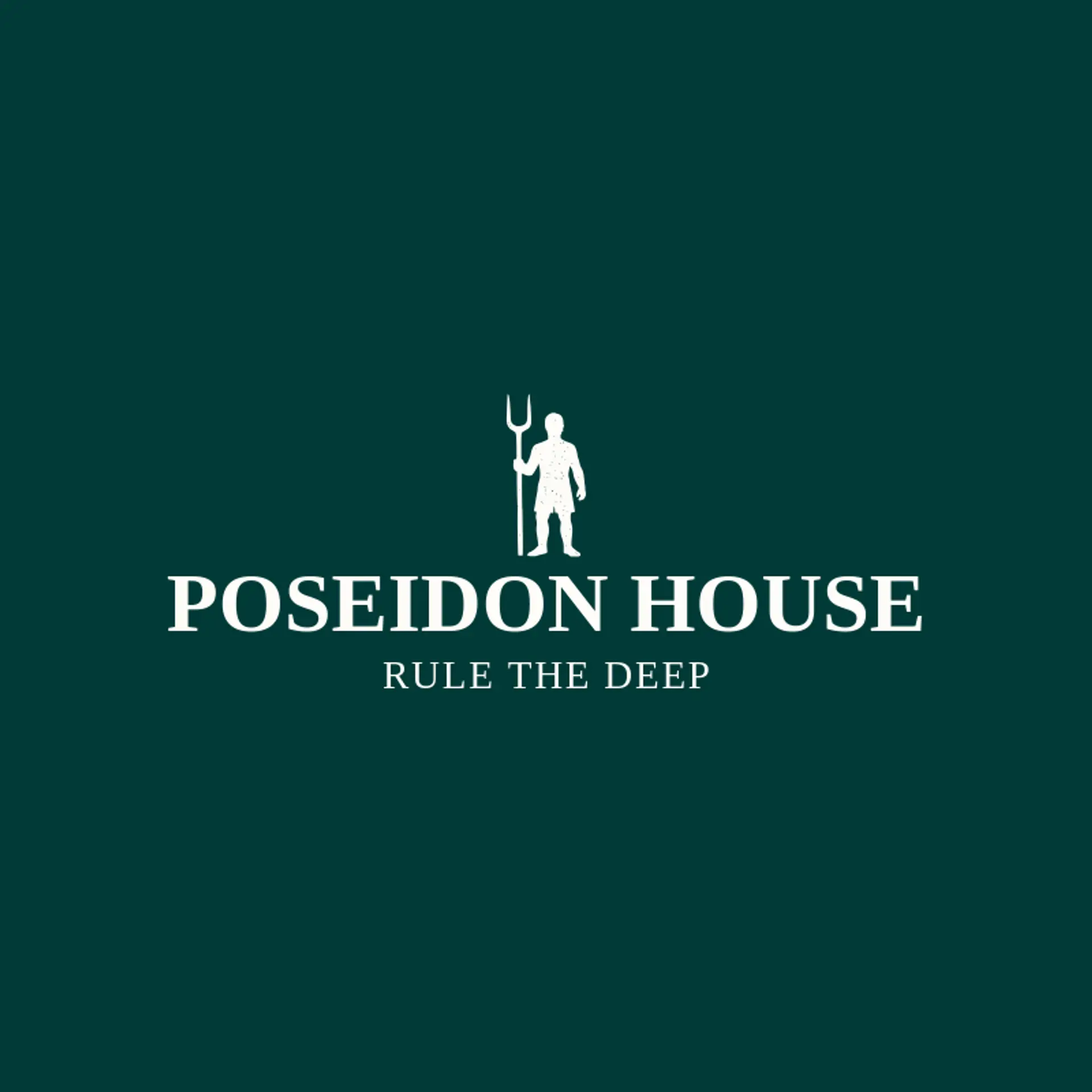
Greek mythology offers a rich set of symbols for a Greek god logo: a lightning bolt for Zeus, a trident for Poseidon, an owl beside Athena, or a winged sandal beside Hermes. A laurel branch beside the figure can suggest victory without crowding the main mark, while a single flame beside Hestia can make a simple silhouette feel memorable. For movement, show Apollo with a lyre at his side or Artemis with a crescent moon behind her profile. Choose one deity and one clear symbol, then let the name carry the rest of the story. A youth sports club might favor a bold Zeus mark, while a mythology podcast could use a refined Athena profile.
Icons To Make Your Greek God Logo Stand Out
That strong contrast gives the lettering room to feel as timeless as the colors. According to LOGO.com data, sans serif styles made up 71% of font category uses among logos with education in their names over the past 12 months, followed by serif at 14% and display at 13%. The most used individual fonts in that same sample were Geologica at 21%, Schibsted Grotesk at 9%, Afacad at 6%, Open Sans at 5%, and Afacad Flux at 3%. Pair a dignified serif with a bold, legible name, or use a strong sans serif against the high contrast palette to make a Greek god identity feel powerful at any size.
Greek God Logo Ideas FAQs
Browse Related Logo Ideas
Alien logosAnime character logosBattle logosCharacter logosClan logosCowboy hat logosCowboy logosCrest logosDanger logosDevil logosFamily crest logosFantasy logosGame logosGamer logosGhost logosGuild logosKing logosNinja logosPhantom logosPirate logosPrince logosQueen logosRoyal logosSamurai logosSkull logosSuperhero logosSword logosTournament logosViking logosWarrior logosZombie logosHorror logosKnight logosMermaid logosNerd logosOutlaw logosPegasus logosPoison logosReaper logosSpear logosToxic logosTrident logosZeus logosAstronaut logosPrincess logosCastle logosDice logosGothic logosGriffin logosMystery logos