These are not names we invented for this page. Each one was generated in the LOGO.com name generator and then picked by a founder naming a real bookstore. The bookstore pool is thin, because 407 name selections on the platform produced about 360 different names, the highest count any single name reached was four, and almost every repeat traces back to one founder trying the same prompt again. So these twelve are a curated shortlist rather than a ranking. Book Haven is the one exception worth naming, picked by two different founders working from two different prompts, and the only name in the pool with two independent founders behind it.
Source: Business names selected by founders in the LOGO.com name generator, August 2025 to August 2026. Availability changes daily, always run your own trademark and domain checks.
Bookstore Name Generator
Tell us what you stock, who you read for, or the feeling you want in the shop to generate the perfect bookstore names for you with AI ✨
Need a different industry? Try our Business Name Generator
Bookstore Name Generator Examples
A small used bookstore with deep shelves, a resident cat and a staff picks table by the till
A children's bookstore with a reading rug, weekend story hours and a low shelf for tiny hands
A bookstore and coffee counter where people stay all afternoon over one flat white
Start with popular bookstore types
Business names generated on LOGO.com
132,900,000
Top 12 Bookstore Name Ideas From Real Founders
Bookstore names built on the shelf
Bookstore names built on the story

Bookstore names built on the shop

What makes these 12 bookstore name ideas work for businesses
A bookstore name has an unusual job. It has to fit on a fascia board, read clearly on a paper bag, survive being printed on a bookmark, and still be easy for a customer to say out loud when they pass you on to a friend. It also has to hold steady as the shop widens from shelves into coffee, events and posted parcels. On LOGO.com there were 383,347 name searches and 87,432 name selections in the last twelve months, and the twelve below came out of that. Here is what each one does, and how to borrow the move without borrowing the name.
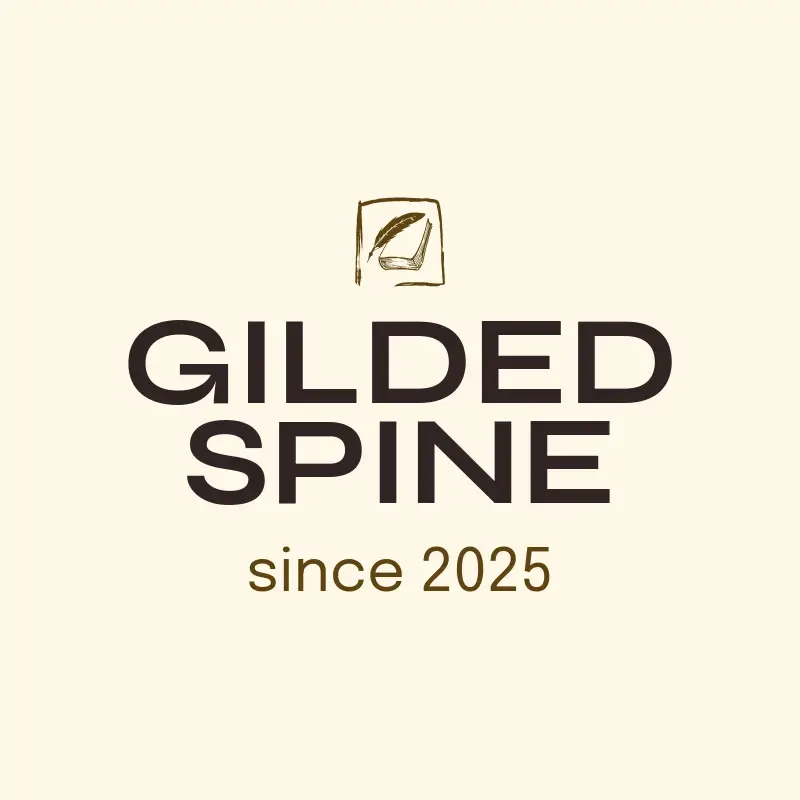
Gilded Spine
Gilded is a specific, physical word. It points at the gold on the edge of an old cloth binding rather than at reading in general, and that makes the name feel like a room you could walk into rather than a category you could search. Spine is the least used of the book part words founders put into business names on LOGO.com, at 27 uses against 110 for chapter, so it is still wide open. Steal the recipe: name the smallest physical part of a book you can think of, then put a texture word in front of it.
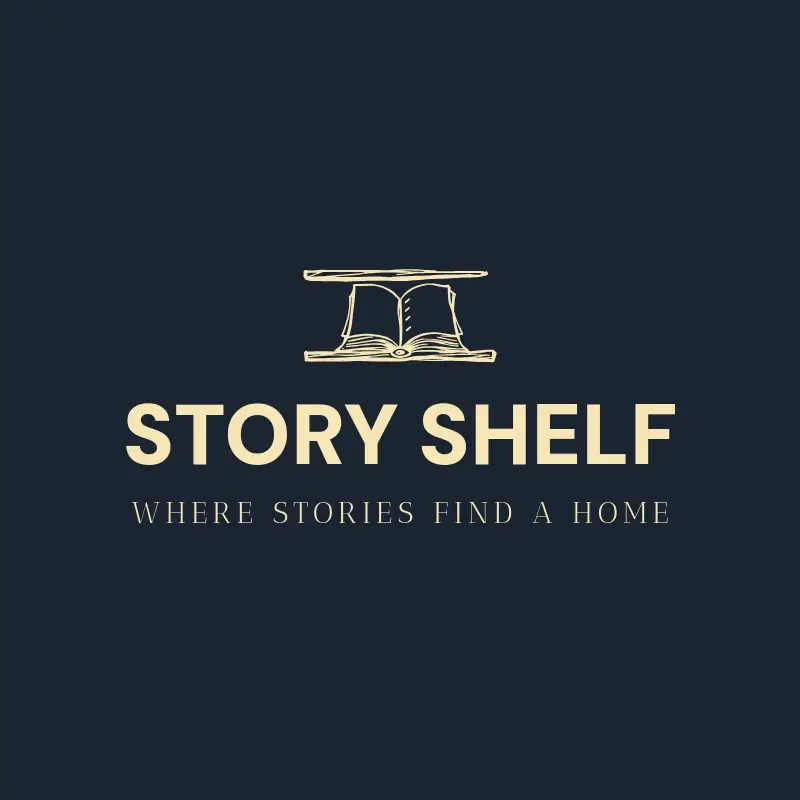
Story Shelf
Two plain words, one soft repeated sound, and nothing anybody has to spell twice. Story is one of the busiest words in this trade, appearing in about 843 business names founders created on LOGO.com this past year, so on its own it would vanish into the crowd. Shelf rescues it by turning an abstract noun into a piece of furniture a customer can picture. Steal the recipe: take the most common word in your category and anchor it to an object from your own shop floor.
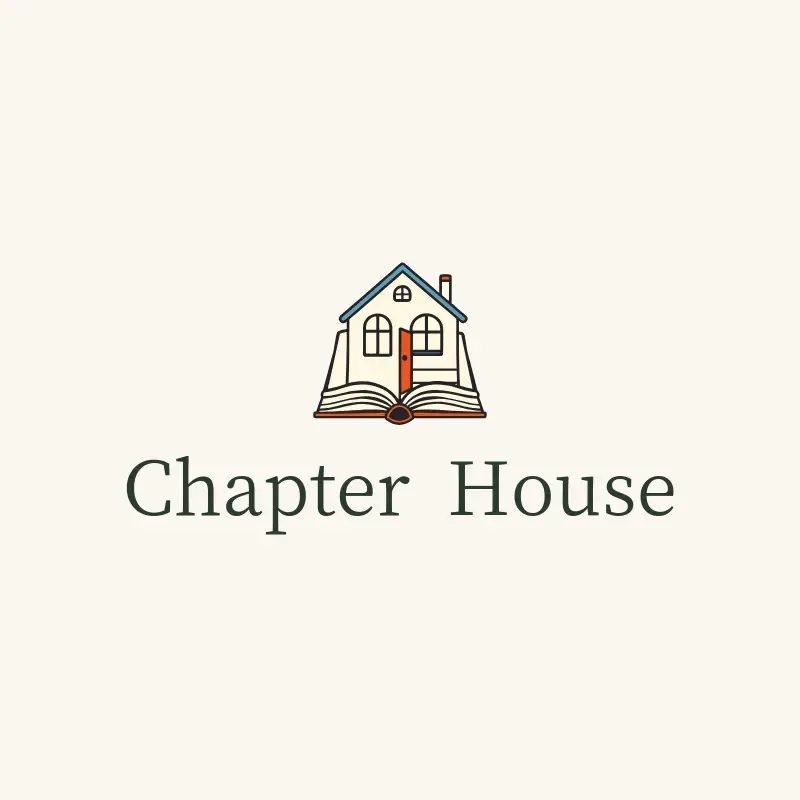
Chapter House
Chapter House borrows the language of an old building and lends the shop some permanence. Chapter appears in 110 business names created on LOGO.com this past year, ahead of shelf at 69 and pages at 67, which puts it in the useful middle ground of familiar but not worn out. House does the heavy lifting, because it promises somewhere to stay rather than somewhere to buy. Steal the recipe: end the name with a building word so the shop sounds like a place instead of a transaction.
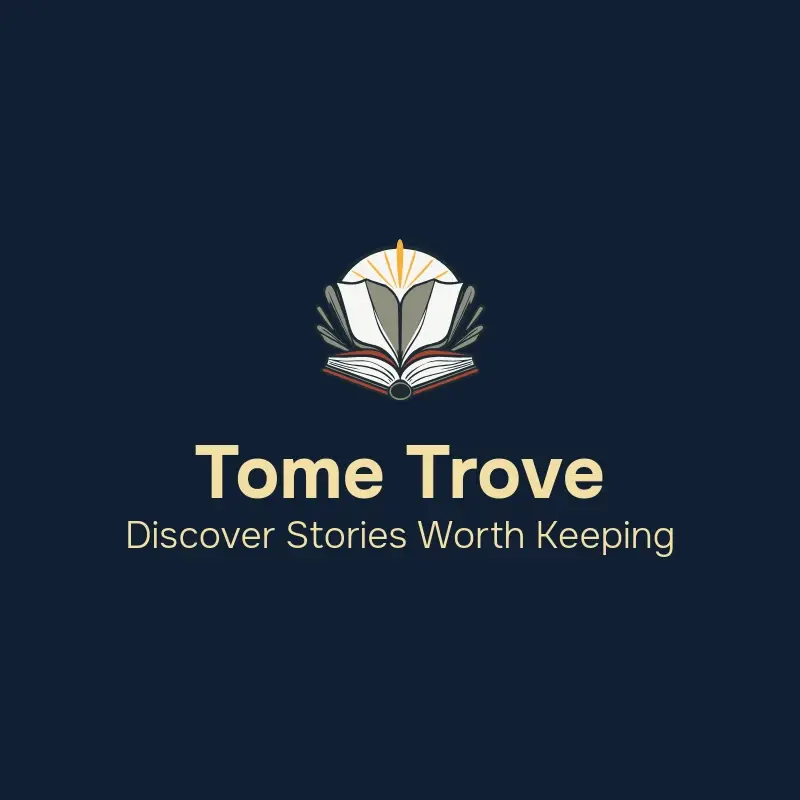
Tome Trove
Tome Trove is the most playful name on the shortlist and the alliteration is doing it. Tome is slightly grand, trove is slightly greedy, and together they suggest a shop where finding something is half the point. Notice what it leaves out, which is the category word. Only about 110 logos created on LOGO.com carry the shop word itself in the name, so most founders trust the sign, the window and the stock to explain the business. Steal the recipe: drop the category word entirely and pick two nouns that share a first letter and a mood.
Plot & Parchment
An ampersand between two nouns reads like a long established partnership even on your first day of trading. Plot is the modern half, parchment is the historical half, and the tension between them is the whole idea. Paper appears in 307 business names created on LOGO.com this past year and page in 297, so the plain material words are the ones founders actually reach for. Parchment is the dressed up version of that same instinct. Steal the recipe: join a word about the writing to a word about the material with an ampersand.
Script & Scroll
Same construction as Plot & Parchment, and a good lesson in how much the individual words change the feel. Script and scroll both predate the printed book, so this one leans scholarly rather than cosy. Quill sits in the same register and appears in 53 business names created on LOGO.com, behind novel at 90 and ahead of spine at 27, which shows how thinly used the antiquarian vocabulary really is. Steal the recipe: choose both nouns from the same century so the name speaks with one accent instead of two.
Leaf & Lore
Leaf is a lovely piece of misdirection, because a leaf is a page in bookbinding language and a leaf is also a tree, so the name gets print and nature in one syllable. Lore turns the stock into something inherited. Stories appears in 493 business names created on LOGO.com this past year and story in about 843, which means the storytelling words are crowded and lore is the quiet way into the same feeling. Steal the recipe: find the older, rarer synonym for the obvious word in your category.
Candlelit Chapters
This is the only name on the shortlist that describes the light in the room rather than the stock on the shelves, and that is exactly why it works. Candlelit sets a temperature and chapters keeps it about books. Corner appears in 668 business names created on LOGO.com this past year, which tells you how badly founders want their shop to feel like a small warm part of the town, so a name that reaches that feeling without the obvious word is well ahead. Steal the recipe: name the atmosphere instead of the product, then add one book word so nobody has to guess what you sell.
Book Haven
Book Haven is the plainest name here and it earns its place precisely because plain works. Haven promises a feeling, book removes any doubt about the category, and that is a lot of clarity for two short words. Book is the busiest word in this trade, appearing in about 1,440 business names created on LOGO.com this past year, so the whole burden falls on the second word. Haven carries it. Steal the recipe: if you are going to use the obvious category word, make the word beside it emotional rather than descriptive.
Bound Books
Two plain words, and the first one quietly tells a customer what kind of stock you keep. Bound points at the object rather than the text, which is exactly the right signal for a shop that sells hardbacks, older editions and things worth holding on to. Roughly 110 logos created on LOGO.com this past year carry the shop word itself, counting all four spellings of bookstore and book shop, so most founders leave it off and let a name like this one do the work. Steal the recipe: pick the word that describes the physical thing you sell, not the category you sit in.
Yesteryear Books
Yesteryear does the one thing the word used cannot, which is make age sound like a feature instead of a discount. Used sits seventh among the words founders put into bookstore name searches on LOGO.com this past year at 52 mentions, behind coffee at 69 and ahead of comic at 43, and almost all of those searches reach for the flat word rather than a warmer one. Steal the recipe: take the functional word for your category and swap it for the nostalgic one.
Page Turners
The friendliest name in the twelve, because it describes the feeling of the thing rather than the shop that sells it. It also works spoken out loud, which matters more than it sounds. Page appears in 297 business names founders created on LOGO.com this past year, just behind paper at 307, so the word is in circulation without being crowded. Steal the recipe: name the experience your customer is buying and let the shop stay implied.
Every one of these came out of the bookstore name generator and was picked by somebody standing exactly where you are now.
Bookstore Name Generator
The Top 9 Words Founders Use In Bookstore Names
Store
Store appears in 305 of the 1,920 cleaned book related name searches run on LOGO.com this past year, 15.9% of them. It is the flattest word available here and also the safest, because it tells a stranger what the building is before they reach the door.
Shop
Shop appears in 247 of those same 1,920 cleaned searches on LOGO.com, 12.9% of them. It sounds smaller and warmer than store, which is exactly why founders selling a browse rather than a transaction keep choosing it.
Read
Read appears in 104 of the 1,920 cleaned book related searches on the platform, 5.4% of them. It names what the customer does rather than what you stock, so it travels well if you later add events, a coffee counter or a subscription.
Children
Children turns up 81 times across those cleaned searches on our generator. It is the clearest audience signal in this list, and a name carrying it will pull parents in while quietly telling everybody else the shop is not aimed at them.
Coffee
Coffee turns up 69 times in those cleaned searches on LOGO.com, ahead of both used and comic, which says the cafe is not a side project in this category. If beans are part of the plan, put them in the name so people know they can stay.
Online
Online turns up 67 times in the cleaned bookstore name searches on LOGO.com. Worth a pause before you commit, because it dates faster than any other word here and it caps the name on the day you open a room with a door.
Used
Used turns up 52 times in the cleaned bookstore name searches on our generator, seventh of these nine. It is honest and instantly understood, though nearly every founder reaches for the same flat word, so a warmer synonym will stand out on a fascia board.
Comic
Comic turns up 43 times in those cleaned searches on the platform, and comic book was chosen as a business industry about 695 times on LOGO.com this past year. That is a trade of its own rather than a shelf, and the name should probably say so.
New
New turns up just 24 times, the least used of these nine on our generator. That also makes it the most available, and it earns its keep when the shop down the road sells second hand and you want the difference visible from the pavement.
Don't get stuck with a forgettable bookstore name
Your bookstore name goes on a fascia board above the window, on a paper bag, on the bookmark you tuck into every sale, at the foot of a receipt, and into a recommendation said out loud between two people who read the same things. It has to work in paint and in conversation. Five things to check before you commit.
Easy to Say
Bookstores live on recommendation, and a recommendation is usually one reader saying your name to another across a table. If a customer cannot repeat it cleanly on the first attempt, the introduction never reaches your door.
Easy to Remember
Somebody walks past your window on a Tuesday and comes looking for you three weeks later, when they finally want the book they saw. The name has to survive that gap with nothing at all to jog it.
Easy to Search
More than 2,100 industry entries on LOGO.com this past year named a bookstore or a bookshop, and founders wrote it as two words, book store, roughly eight times more often than as one word. Book store spaced out was chosen 1,673 times as an exact industry value against just 99 for bookstore closed up. So if you call yourself a bookstore, make sure the spaced spelling still finds you, and anchor the name to your street or your specialism so it is not queueing behind every shelf in the country.
Easy to Own
Check the domain and the social handles, then check your national trademark register, then check that the name is not already above a door two towns over, because bookstores trade on local reputation and a collision hurts more here than it would elsewhere. Watch for names that clash with a publisher, a famous title or a reading device brand. Nothing on this page is legal advice, so have a lawyer confirm anything you plan to paint on a window.
Easy to Grow
Bookstores widen rather than narrow, from shelves into coffee, then into events, posted orders and second hand stock sitting beside new. Coffee already appears in 69 of the 1,920 cleaned book related name searches on LOGO.com this past year, ahead of used at 52 and comic at 43, so pick a name that can hold a counter and a cafe at the same time.
500+ Bookstore Name Ideas by Shop Type and Style
Table of Contents
- Bookstore Names
- Book Shop Names
- Used and Second Hand Book Names
- Rare and Antiquarian Book Names
- Comic Book and Manga Shop Names
- Children's Bookstore Names
- Bookstore and Cafe Names
- Online Bookstore Names
- Independent and Local Bookstore Names
- Chapter and Page Names
- Story and Tale Names
- Cosy and Corner Shop Names
- Literary and Classic Names
- Genre and Mystery Bookstore Names
- Modern and One Word Bookstore Names
According to LOGO.com data, more than 2,100 businesses building a brand on LOGO.com between August 2025 and August 2026 described their industry as a bookstore or a bookshop, and they wrote it as two words, book store, roughly eight times more often than as one word. Book store spaced was chosen 1,673 times as an exact industry value against just 99 for bookstore closed up. What those founders are opening is rarely only a bookstore either, with coffee appearing in 69 of the 1,920 cleaned bookstore name searches on our generator, ahead of used at 52 and comic at 43. The fifteen lists below are split by shop type and style.
Bookstore Names
More than 2,100 industry entries on LOGO.com this past year explicitly named a bookstore or a bookshop, counting all four spellings of it.
- Book Haven
- The Bookstore Co
- Cedar Street Books
- Bookstore & Company
- Riverbend Books
- The Book Room
- Millbrook Bookstore
- Books & Company
- The Bookstore House
- Northgate Books
- Book Cellar Co
- The Book Table
- Fairmont Books
- Bookstore Row
- The Book Loft
- Stonebridge Books
- Books & Bindings
- The Bookstore Collective
- Harborline Books
- Book Hollow
- The Book Parlour
- Ashcroft Books
- Bookstore & Sons
- The Book Barn
- Elmsworth Books
- Book Garden Co
- The Bookstore Room
- Whitfield Books
- Books & Ink Co
- The Book Bench
- Brookfield Books
- Book Harbour
- The Bookstore Guild
- Kingsway Books
- Books & Boughs
Book Shop Names
Book store spaced out was chosen as a business industry 1,673 times on the platform this past year against just 99 for bookstore closed up.
- The Book Shop Co
- Book Shop & Company
- The Little Book Shop
- Bookshop Lane
- The Corner Book Shop
- Book Shop Row
- Marlowe Book Shop
- The Book Shop Bell
- Bookshop & Bindery
- The Book Shop Window
- Book Shop Hollow
- The Old Book Shop
- Bookshop & Sons
- The Book Shop Door
- Book Shop Green
- The Village Book Shop
- Bookshop Yard
- The Book Shop Steps
- Book Shop & Co
- The Quiet Book Shop
- Bookshop Bridge
- The Book Shop Ladder
- Book Shop Bay
- The Warm Book Shop
- Bookshop Alley
- The Book Shop Counter
- Book Shop Terrace
- The Friendly Book Shop
- Bookshop Common
- The Book Shop Awning
- Book Shop Wharf
- The Small Book Shop
- Bookshop Court
- The Book Shop Sign
- Book Shop & Bell
Used and Second Hand Book Names
Used sits seventh among the words founders put into bookstore name searches on our generator this past year at 52 mentions, behind coffee at 69 and ahead of comic at 43.
- Yesteryear Books
- Second Reading Co
- The Second Shelf
- Used & Loved Books
- Twice Read Books
- The Well Thumbed Page
- Second Hand Stories
- Preloved Pages
- The Second Chapter Shop
- Old Spine Books
- Second Life Books
- The Thrifty Page
- Worn Edges Books
- Second Owner Books
- The Dusty Shelf
- Read Again Books
- Secondhand Stacks
- The Passed On Page
- Softbound & Secondhand
- Second Impression Books
- The Creased Spine
- Trade & Read Books
- Second Print Co
- The Well Read Shop
- Handed Down Books
- Second Sitting Books
- The Faded Jacket
- Bargain Bindings
- Second Round Books
- The Old Paper Shop
- Swap & Shelf
- Second Hand Spines
- The Loved Book Co
- Cast Off Classics
- Second Wind Books
Rare and Antiquarian Book Names
Rare returned no matches at all across the 1,920 cleaned bookstore name searches the platform recorded this past year, and rare books appears just twice in 4.85 million industry selections, so this is an open niche rather than a crowded one.
- Bound Books
- The Rare Shelf
- Antiquarian & Co
- First Edition House
- The Rare Book Room
- Vellum & Vine
- Rare & Remarkable
- The Antiquarian Desk
- Foxed & Found
- Gilt Edge Books
- The Rare Page
- Provenance Books
- Antiquarian Row
- The First Impression
- Marbled Edge Books
- Rare Volumes Co
- The Collector's Shelf
- Calfskin & Cloth
- Uncut Pages Co
- The Rare Binding
- Antiquary & Sons
- Old Ink Books
- The Vellum Room
- Rare Leaf Books
- Signature Editions Co
- The Antiquarian House
- Buckram & Board
- Rare Print Room
- The Gilded Page
- Colophon & Co
- Antiquarian Hollow
- The Rare Volume
- Watermark & Wax
- Curiosities & Codices
- The Antiquarian Corner
Comic Book and Manga Shop Names
LOGO.com data shows comic book chosen as a business industry about 695 times this past year.
- Panel & Page
- The Comic Vault
- Splash Page Comics
- Manga & More
- The Panel Shop
- Speech Bubble Co
- Comic Corner Co
- The Inked Panel
- Frame & Fable
- Manga House
- The Comic Loft
- Issue One Comics
- Panel Press Shop
- The Manga Shelf
- Capes & Panels
- Comic Crate Co
- The Splash Panel
- Ink & Issue
- Manga Lane
- The Comic Rack
- Origin Issue Co
- Panel Perfect Comics
- The Manga Room
- Sequential Shop
- Comic Grove
- The Panel Table
- Volume & Villain
- Manga Market Co
- The Comic Bin
- Halftone Comics
- Panel & Parchment
- The Manga Counter
- Comic Alcove
- Frame By Frame Comics
- The Comic Cabinet
Children's Bookstore Names
Children appears in 81 of the 1,920 cleaned bookstore name searches recorded on LOGO.com this past year.
- Little Readers Co
- The Story Chair
- Bedtime Books
- Once Upon A Shelf
- The Picture Book Shop
- Small Hands Books
- Storytime & Co
- The Reading Rug
- Wonder Pages
- First Words Books
- The Little Library Shop
- Giggle & Page
- Cubby Books
- The Storybook Shop
- Tiny Tales Co
- Bright Pages Books
- The Reading Nest
- Hop & Hooray Books
- Little Spine Books
- The Story Basket
- Pip & Page
- Storybook Lane
- The Wonder Shelf
- Bunny & Book
- Little Chapter Co
- The Rhyme Room
- Sprout & Story
- Kite & Page
- The Bedtime Shelf
- Puddle & Page
- Little Lantern Books
- The Story Ladder
- Acorn & Tale
- Merry Pages Co
- The Little Book Wagon
Bookstore and Cafe Names
The cafe is not a side project in this category, because coffee turns up in 69 of those same 1,920 cleaned bookstore name searches on our generator, ahead of used at 52.
- Book & Brew
- The Reading Room Cafe
- Espresso & Editions
- Chapter & Cup
- The Book Cafe Co
- Beans & Bindings
- Steam & Story
- The Coffee Shelf
- Latte & Literature
- Cup & Chapter
- The Brewed Page
- Grounds & Bound
- Mug & Margin
- The Cafe Shelf
- Roast & Read
- Cocoa & Covers
- The Book Kettle
- Kettle & Quill
- Brew & Bookmark
- The Coffee Chapter
- Percolate & Page
- Saucer & Story
- The Book Barista
- Crumb & Cover
- Tea & Tomes
- The Steeped Page
- Sip & Story
- Bean & Book Co
- The Cafe Chapter
- Scone & Story
- Filter & Folio
- The Warm Cup Bookshop
- Pour & Page
- Cinnamon & Chapters
- The Coffee & Book Co
Online Bookstore Names
LOGO.com data shows online in 67 of the same 1,920 cleaned bookstore name searches this past year.
- Post & Page
- The Shipped Shelf
- Parcel & Prose
- Deliver A Book
- The Online Book Co
- Doorstep Books
- Send A Story
- The Book Courier
- Wrapped & Read
- Mailbox Books
- The Digital Shelf
- Click & Chapter
- Boxed Pages
- The Book Post
- Ship & Story
- Cart & Cover
- The Remote Shelf
- Order & Read
- Bookbound Delivery
- The Web Bookshop
- Stamp & Story
- Crate & Cover
- The Book Dispatch
- Browse & Bind
- Packed Pages Co
- The Online Chapter
- Direct To Reader
- Screen & Shelf
- The Book Dock
- Carton & Cover
- Postmark Books
- The Virtual Volume
- Bundle & Book
- Anywhere Books
- The Book Freight Co
Independent and Local Bookstore Names
Of the 1,920 cleaned bookstore name searches on our generator this past year, 305 contained the word store, 15.9% of them, with shop close behind at 247.
- The Independent Book Co
- Local Pages
- Main Street Books
- The Neighbourhood Shelf
- Indie Spine Books
- Our Street Bookshop
- The Local Chapter
- Hometown Pages
- Independent & Co
- The Corner Store Books
- Village Green Books
- The Indie Shelf
- Townline Books
- Neighbour & Page
- The Local Volume
- High Street Books
- Parish & Page
- The Small Press Shop
- Community Books Co
- The Indie Chapter
- Borough Books
- Market Row Books
- The Local Bindery
- Common Ground Books
- Independent Spines
- The Town Bookshop
- Crossroads Books
- The Local Leaf
- Two Streets Books
- Homegrown Pages
- The Indie Bindery
- Ward & Page
- Cobbleside Books
- The Corner Shelf
- Kinfolk Books
Chapter and Page Names
Chapter appears in 110 business names founders created on LOGO.com this past year, ahead of shelf at 69 and pages at 67.
- Gilded Spine
- Story Shelf
- Chapter House
- Chapter & Clasp
- The Chapter Room
- Page & Pocket
- Chapter One Books
- The Turning Page
- Page Break Books
- Chapter & Cloth
- The Chapter Shelf
- Dog Eared Pages
- Page Marker Co
- The Last Chapter Shop
- Chapter Lane
- Open Page Books
- The Chapter Table
- Page & Pillar
- Chapter Row
- The Blank Page Shop
- Pagefall Books
- Chapter & Column
- The Folded Page
- Page Count Co
- Chapter Bell
- The Wide Margin
- Page Turner Books
- Chapter & Candle
- The First Page Shop
- Pages & Panels
- Chapter Crest
- The Even Page
- Page & Press
- Chapter Hollow
- Page Turners
Story and Tale Names
Founders on the platform put story into about 843 business names this past year.
- Leaf & Lore
- The Story House
- Tale & Twine
- Storyline Books
- The Told Tale
- Fable & Fern
- Story Keeper Co
- The Tale Room
- Lore & Lantern
- Storyfield Books
- The Tall Tale Shop
- Tale Spinner Co
- Story & Stone
- The Lore Shelf
- Myth & Meadow
- Storyweave Books
- The Tale Table
- Fable Row
- Story Harbour
- The Lore Room
- Tale & Thistle
- Storycraft Books
- The Fable Shelf
- Legend & Leaf
- Story Hollow
- The Tale Bell
- Fable & Feather
- Storywell Books
- The Lore Table
- Tale & Tinder
- Story Lantern Co
- The Fable Room
- Yarn & Yonder
- Storygate Books
- The Tale Trail
Cosy and Corner Shop Names
Corner appears in 668 business names created on LOGO.com this past year.
- Candlelit Chapters
- The Cosy Corner Books
- Corner & Cover
- Hearth & Page
- The Book Corner Co
- Snug Shelf Books
- Corner Shelf Co
- The Warm Shelf
- Quilt & Quill
- Corner Bell Books
- The Snug Page
- Blanket & Book
- Cornerstone Pages
- The Cosy Shelf
- Lamplight Books
- Corner Room Books
- The Quiet Corner Shop
- Wool & Words
- Corner & Candle
- The Snug Bookshop
- Firelight Pages
- Corner Bay Books
- The Cosy Chapter
- Slipper & Story
- Corner Cottage Books
- The Warm Corner Co
- Cocoa & Corner
- Corner Lamp Books
- The Hearth Shelf
- Mittens & Margins
- Corner Yard Books
- The Cosy Volume
- Hush & Hearth
- Corner Steps Books
- The Snug Corner Co
Literary and Classic Names
Roughly 110 logos created on the platform carry the shop word itself in the name, counting bookstore at 37, book store at 29, book shop at 26 and bookshop at 19.
- Tome Trove
- Plot & Parchment
- Script & Scroll
- The Classic Shelf
- Canon & Cloth
- The Literary Room
- Prose & Portico
- Classic Editions Co
- The Tome Room
- Letters & Laurel
- Literary Row
- The Classic Page
- Quill & Canon
- Verse & Vellum
- The Literary Shelf
- Odes & Editions
- Classic Spine Co
- The Prose Room
- Manuscript & Co
- Sonnet & Shelf
- The Literary House
- Folio & Fern
- Classics Corner Co
- The Tome Table
- Ink & Ivory
- Literary Lane
- The Prose Shelf
- Epic & Edition
- Scholar & Scroll
- The Classic Room
- Parchment & Press
- Literary Hollow
- The Tome Shelf
- Lyric & Leaf
- The Literary Bindery
Genre and Mystery Bookstore Names
LOGO.com data shows novel leads the fiction words founders put into business names at 90, ahead of quill at 53 and spine at 27.
- The Mystery Shelf
- Clue & Cover
- Whodunit Books
- The Suspense Room
- Dagger & Dust
- Mystery Lane Books
- The Crime Shelf
- Cipher & Spine
- Thriller & Thorn
- The Locked Room Books
- Alibi Books
- Mystery & Mist
- The Gaslight Shelf
- Riddle & Read
- Noir & Novel
- The Detective's Shelf
- Shadow & Story
- Mystery Hollow Books
- The Suspect Shelf
- Fog & Fable
- Sleuth & Shelf
- The Mystery Table
- Twist & Tome
- Midnight Pages
- The Whisper Shelf
- Poison Pen Books
- Mystery Bell Books
- The Cold Case Shop
- Lantern & Lock
- Secrets & Spines
- The Mystery Room
- Verdict & Volume
- Quill & Clue
- The Puzzle Shelf
- Shiver & Shelf
Modern and One Word Bookstore Names
Page appears in 297 business names created on LOGO.com this past year against 307 for paper, so the plainest words in the trade are also the most used.
- Volume Voyage
- Pagely
- Bindery
- Tomely
- Shelvia
- Verso
- Codexa
- Paperia
- Foliora
- Readia
- Lorewell
- Tomevo
- Pagevo
- Spinely
- Bindwell
- Quillo
- Novelo
- Prosea
- Chaptra
- Volumen
- Scriptly
- Leafora
- Papyra
- Inkwell Co
- Bookora
- Storia
- Vellumo
- Margina
- Shelfora
- Tomera
- Pagora
- Litera
- Bindora
- Scrolla
- Readora
What makes LOGO.com the best Bookstore Name Generator
Built from real data
Names are shaped by what founders actually searched and selected on LOGO.com, including 407 bookstore name selections in the past year, not by a thesaurus.
Made for bookstores
It knows a used bookshop with deep shelves and a resident cat is a different shop from a children's bookstore running weekend story hours.
A fit score on every name
Every bookstore name arrives with a score, so you can see which ones suit your shop before you pay for a fascia board.
Every name explains itself
A short note tells you why a name fits what you stock, so you are not left guessing at the reason.
A tagline with every name
Each name comes with a line you can print on a paper bag, a bookmark or a shelf talker.
Style tags at a glance
Tags show whether a name reads cosy, literary, playful or secondhand before you open anything.
20 names per round
Twenty bookstore names come back at once, enough to spot a direction without losing an evening to it.
More like this
Found a name that sounds like your staff picks table? Ask for more in the same direction and keep going.
Favorites that follow you
Save the names you like and they stay put while you sleep on it and ask the regular who comes in every Saturday.
Compare mode
Put your shortlist side by side and see which name actually looks like a bookshop.
Live domain availability
Each name is checked against real domains as it appears, so you never fall for a taken one.
Domain prices upfront
The price of the domain sits next to the name, so a first year budget stays a first year budget.
Instant logo previews
See your bookstore name set as a real logo straight away, not as plain text on a page.
See it on a website
Preview the name on a page, the way a reader meets it when they check your opening hours before walking over.
See it on a business card
See how the name reads on a card you slip into a paper bag at the till.
See it on social
Check the name as a profile picture, since a reading event fills up on a phone screen long before anyone arrives.
Four naming styles
Pick between plain shop names, your own surname, invented words and warm sounding mood names.
A length slider
Pull names shorter to fit a fascia board or longer for a shop window with room to breathe.
An abstractness slider
Move from names that say bookstore outright to names that only hint at paper and reading.
A tone slider
Slide from quiet and literary through to bright, plain spoken and easy to say across a counter.
Category control
Point it at used books, comics, children's books or a bookstore cafe and it stays in that lane.
Free to use
Generate as many bookstore names as you want without paying or handing over a card.
A free logo included
The name you choose comes with a free logo, ready for your fascia board, your paper bags and your bookmarks.
The whole brand in one place
Name, logo, domain and website all come from one place, so opening day becomes one job.
How to name a bookstore, from the first shelf to the shop window
Founders ran 383,347 name searches on LOGO.com in the past year and picked 87,432 names from what came back. Book related terms accounted for 1,920 of those searches and 407 selections. Here is what the founders who got it right did differently, and you can try it yourself in the bookstore name generator at the top of this page.
Start from what you stock and who you stock it for
Every bookshop sells books, so books is not the differentiator. The founders with the best names started from the shelves and the reader. A small used bookshop with deep stock and a table of staff picks is a different business from a children's bookstore with a reading rug and weekend story hours, and a bookshop with a coffee counter where people stay all afternoon is a third thing again. Inside those 1,920 cleaned bookstore searches on the platform, children was named 81 times, coffee 69 times and used 52 times, so the room founders are picturing is already visible in the data. Write one sentence describing who walks in and what they leave with, then name that sentence. If your name would sit equally well on a campus textbook counter and a rare first editions cabinet, it is not helping anybody choose you.
The three name styles that work for a bookshop
The first is the stock word plus a shop word, like Corner Books or Second Shelf Books, which is the most searchable and the easiest to set on a fascia board. The second is your own surname, like Halloran Books, which puts a named person behind the counter and travels well when a customer recommends you. The third is the mood word, like Lantern or Attic, which says nothing about books and leans on the feeling of the room instead. LOGO.com data shows all three living inside the 627,566 business names founders created on the platform, where book appears in about 1,440 names, story in about 843, corner in 668 and chapter in 110.
Test it in the wild
Write the name as it would appear on a fascia board above the door, then write it again on a paper bag and on a bookmark, because a bookstore name has to survive all three. Say it out loud the way one reader passes it to another when someone asks where they found a book. That spoken moment is the main growth channel for an independent shop, so a name that needs spelling loses the recommendation before it exists. The plain words carry a lot of that weight on LOGO.com, where store appears in 15.9% of those 1,920 cleaned bookstore searches and shop in 12.9%. Then read it back the way it will land on a quiet Tuesday, when one person is browsing and the door is propped open, and see whether it still sounds like somewhere you would linger.
Lock it down, in the right order
The domain first, because it is the one piece nobody can hand back to you once it is gone. Then your national business registry, then any local trading or retail permit your town or state asks of a shop with a door on the street, then a trademark search, since the name over the window has to match the name on the receipt. Once all of that clears, the logo maker and the slogan generator will finish the set, and the business name generator covers you if the shop widens from books into coffee, stationery and reading events under one roof.
Methodology. Figures in this article come from LOGO.com first party product data for the twelve months from August 2025 to August 2026, a window covering 383,347 name searches and 87,432 name selections. Book related terms accounted for 1,920 of those name searches once cleaned, and 407 selections. Cleaning means removing substring matches that are not bookshops at all, including bookkeeping, booking, facebook, notebook and ebook. The qualifier counts quoted on this page are the number of those 1,920 cleaned bookstore searches that contained each word, counted per search, and the words overlap, so they are not shares of one another. Industry figures count how many times a term was chosen as a business industry, which counts events rather than unique people. Word counts inside business names are the number of names created containing that word across 627,566 business names on the platform. Source: LOGO.com first party product data, August 2026.
Start with a great bookstore name
Need inspiration? Check out other popular name generators
Start with a name, walk out with a bookstore brand
Thousands of bookstore and independent retail founders have named and branded their shop on LOGO.com. Read what they say on

"I am not a designer, but creating my brand identity through LOGO.com was delightfully easy and cost-effective. I am very pleased with the outcome, and I couldn't have achieved the same standard on my own. I highly recommend this to any start-up business looking to set up its brand identity or any established business looking to get its brand an upgrade!"
Adrian Frese
Albina Consulting

"After forming an LLC, I didn't know where to go to create a logo and assets for my website. Then I found LOGO.com. They created a selection of logos for me to choose from in all the sizes I needed. In addition, LOGO.com provided me with a set of branding materials for my website and social media presence. The process is easy, fast, and requires no processional design experience."
David Tuffy
The Product Levers, LLC

"I have never attempted developing a logo or other marketing products, and am no expert at navigating new computer software. That being said, I not only found the software easy to navigate and learn, but the end product was more than I had hoped for. The help team at logo.com was highly responsive and willing to help with any questions I had in a clear and rapid manner. I am very pleased with the team at logo.com and the products I created. I highly recommend their service!"
Todd Salzsieder
Boise Behavioral Medicine PLLC

"LOGO.com is an amazing resource. It helped me create a professional-looking logo for my business that received more praise than logos I've paid designers to create for me in the past. The site is very easy to use, walks you through every step, and gives you control over the entire creation process."
Marvin Younan
Your Modern Lender
Frequently Asked Questions (FAQ)
Set up a memorable bookstore brand
Get a brandable bookstore name, a free logo, and a domain name to launch your bookstore.