



























Logo Design Considerations for a Biology Business
According to LOGO.com data, the five most popular colors in biology logos created on LOGO.com over the past 12 months were white at 24%, black at 16%, blue at 14%, green at 10%, and grey at 9%. White and black create the strongest contrast for biology brands, echoing lab clarity and the sharp structure of scientific diagrams, while blue and green bring a sense of discovery and living systems. If you want a biology logo that feels credible on lab reports, educational materials, and digital profiles, start with a clean white or black base and let blue or green carry the scientific energy.
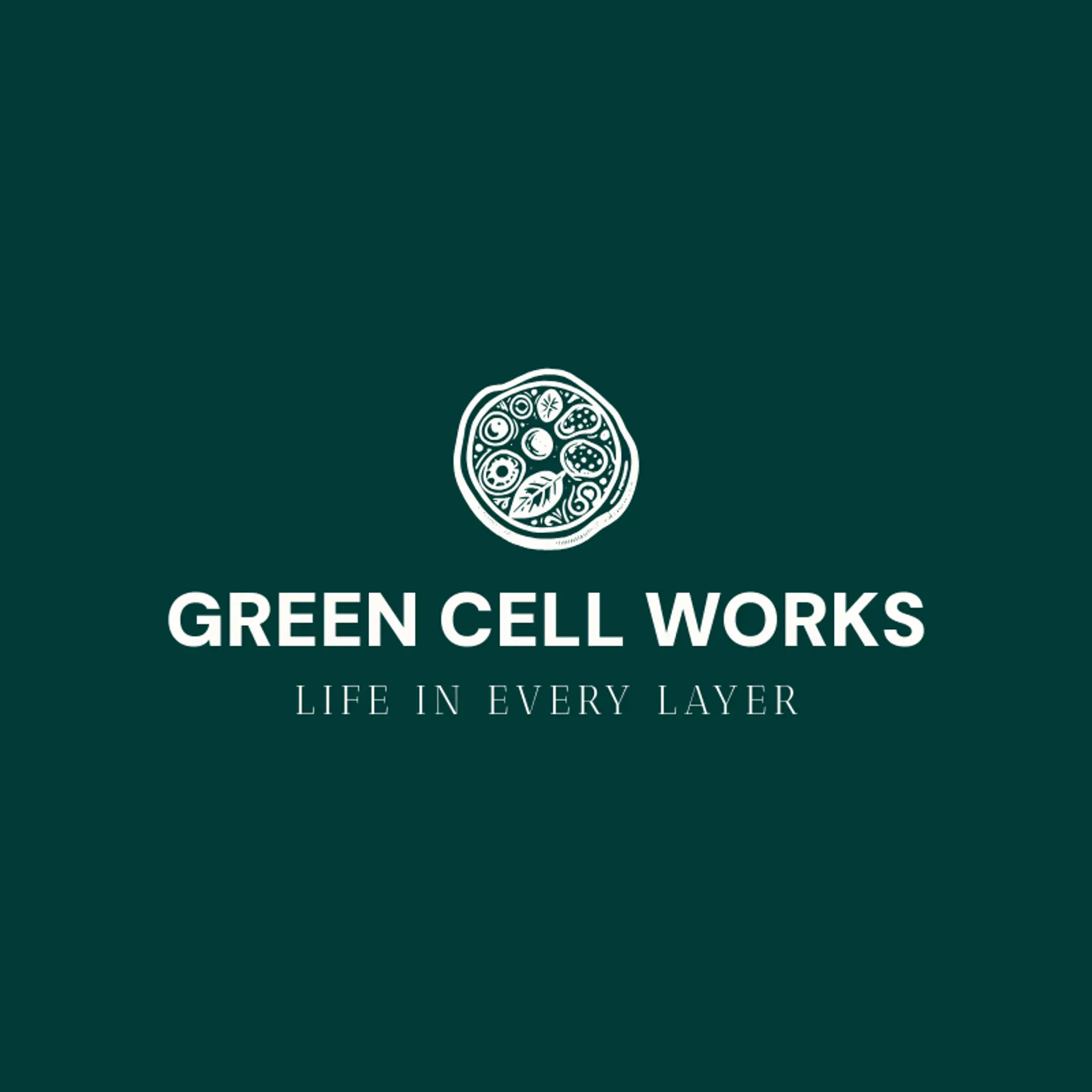
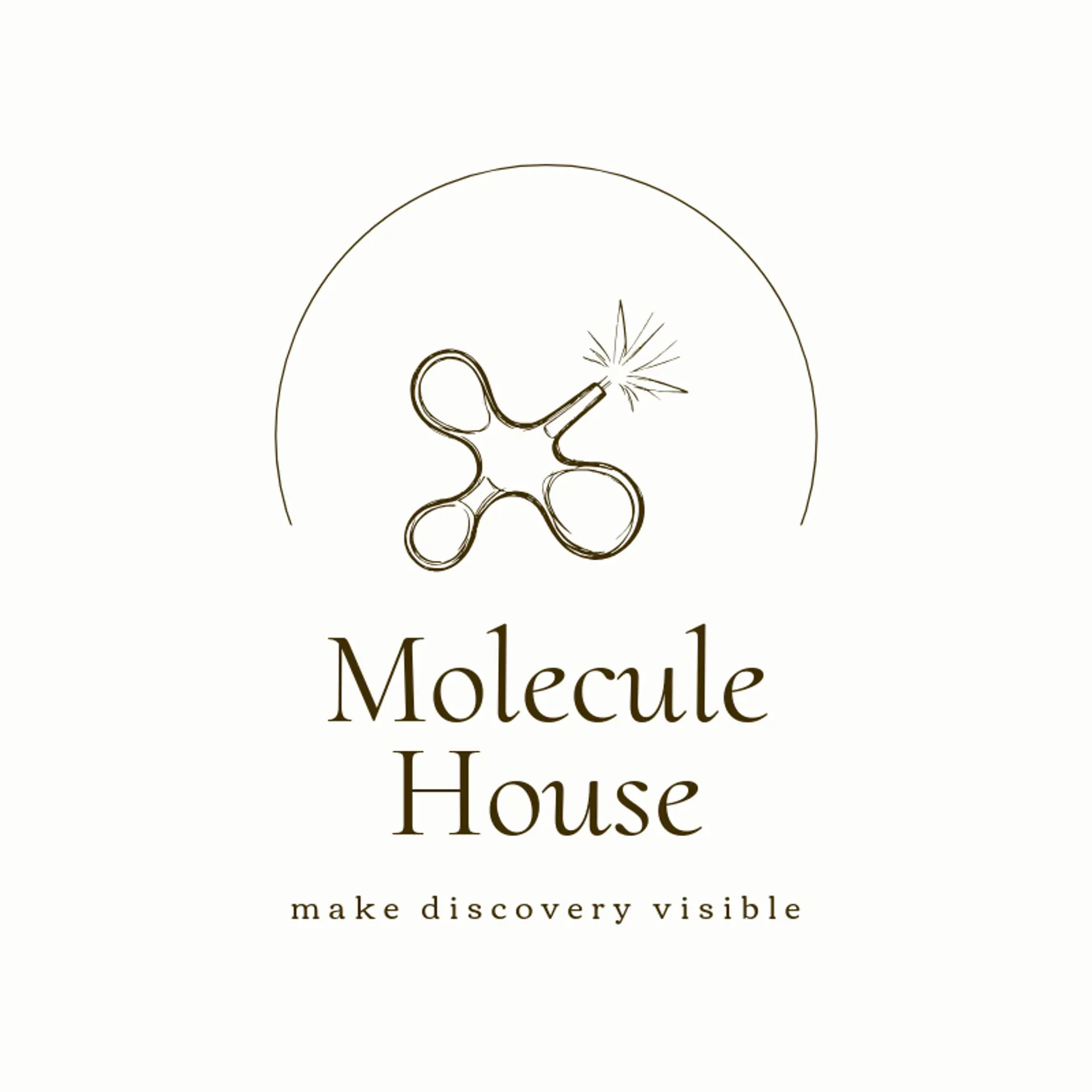
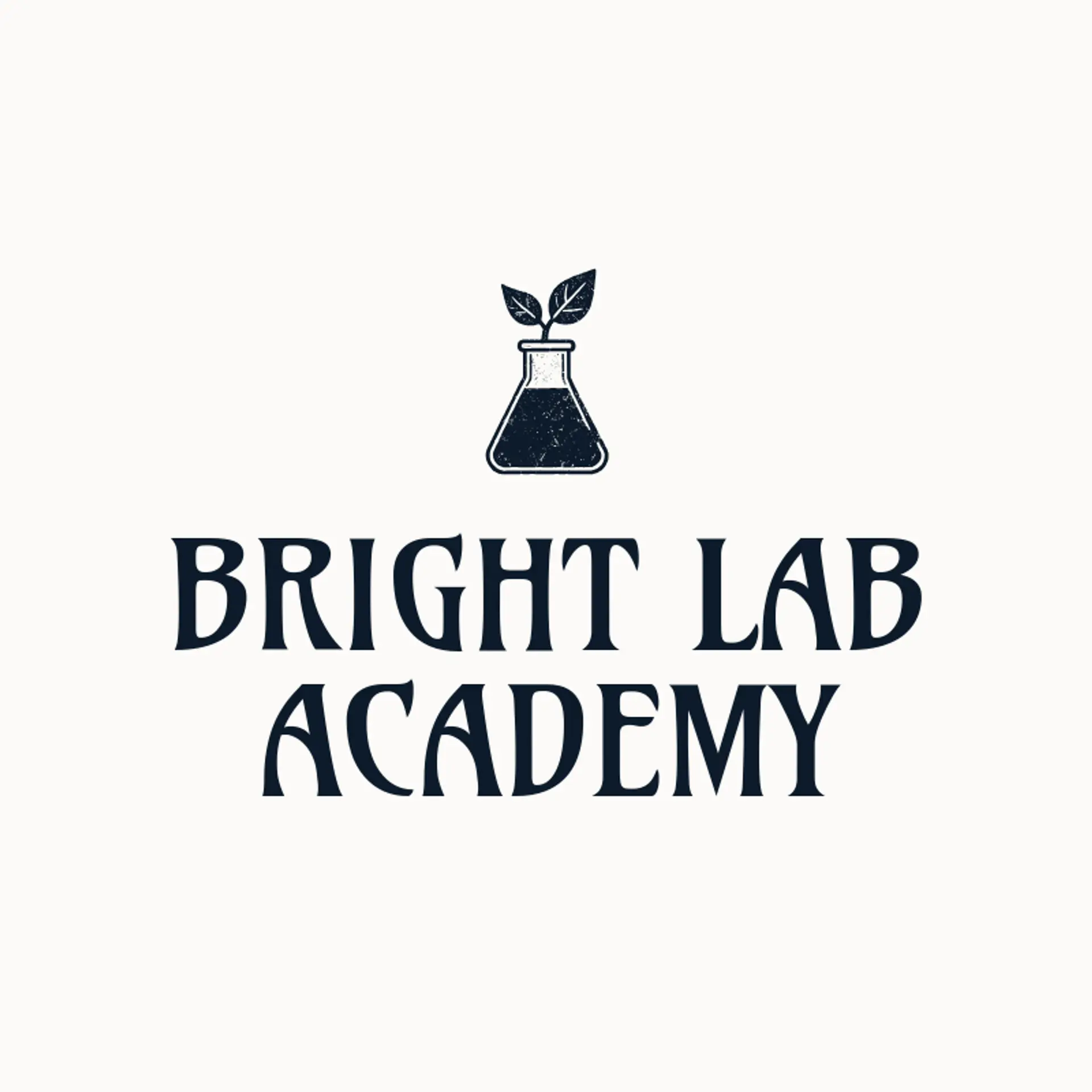
When it comes to the icon, a microscope is an obvious starting point for biology, and its angled silhouette remains recognizable even when reduced to a few simple shapes, making it useful for a research lab, teaching brand, or science club. A DNA helix offers a more distinctive direction, with its paired curves beside a leaf or a small spark to suggest discovery without crowding the mark. Cell forms, neurons, and molecules can create a lively visual language for medical research and education, while a beaker or flask gives a practical laboratory feeling when drawn as a clean outline. For environmental biology, pair a leaf, seedling, or butterfly with a compact wordmark, and for advanced research use an atom, gene symbol, or chromosome inspired twist. Before you settle, brainstorm around the story behind the business: a university lab can lean on a microscope, a conservation group can grow a leaf from a DNA helix, and a biotech team can connect a molecule to a rising sun.
Icons To Make Your Biology Logo Stand Out
The same instinct for clarity and contrast carries into the lettering. According to LOGO.com data, sans serif typefaces made up 66% of the font choices in those same biology logos over the past 12 months, with serif styles at 15%, display styles at 12%, and handwriting styles at 6%. The leading individual choices were Geologica at 23%, Afacad at 8%, Schibsted Grotesk at 8%, Albert Sans at 5%, and Aboreto at 3%, giving the group a modern mix with clear scientific character. Set simple, open letterforms against that white or black base with a blue or green accent, and a biology logo stays legible on research pages, classroom resources, lab equipment, and small social images.
Biology Logo Ideas FAQs
Browse Related Logo Ideas
Biology logosCare logosChess logosClub logosCommunity logosDaycare logosDriving school logosHand logosHeart logosHistory logosKindergarten logosPen logosPeople logosPride logosPrimary school logosSchool bus logosSports academy logosSTEM logosTeam logosUniversity logosAcademy logosBaby logosBook club logosCoaching logosLibrary logosSocial work logosTeacher logosTraining logosVolunteer logosProfile logosWoman logosClass logosMaze logosMission logosPerson logosChildcare logosGraduation logosMother logosResearch logosBabysitter logosDiversity logosEmpowerment logosFraternity logosFriend logosHumanity logosLearning logosSpecial education logosStudent logosTribe logosTutoring logos