Logo Design Considerations for a Studio Business
According to LOGO.com data, the five most popular colors in studio logos created on LOGO.com over the past 12 months were white at 25%, black at 18%, green at 10%, blue at 10%, and grey at 10%. White and black create the focused contrast of a clean creative room, while green, blue, and grey can suggest fresh ideas, calm expertise, and polished production. For a studio logo that works on a sign, portfolio, video intro, or social profile, begin with a clear white or black base and use one accent color to give the mark its point of view.
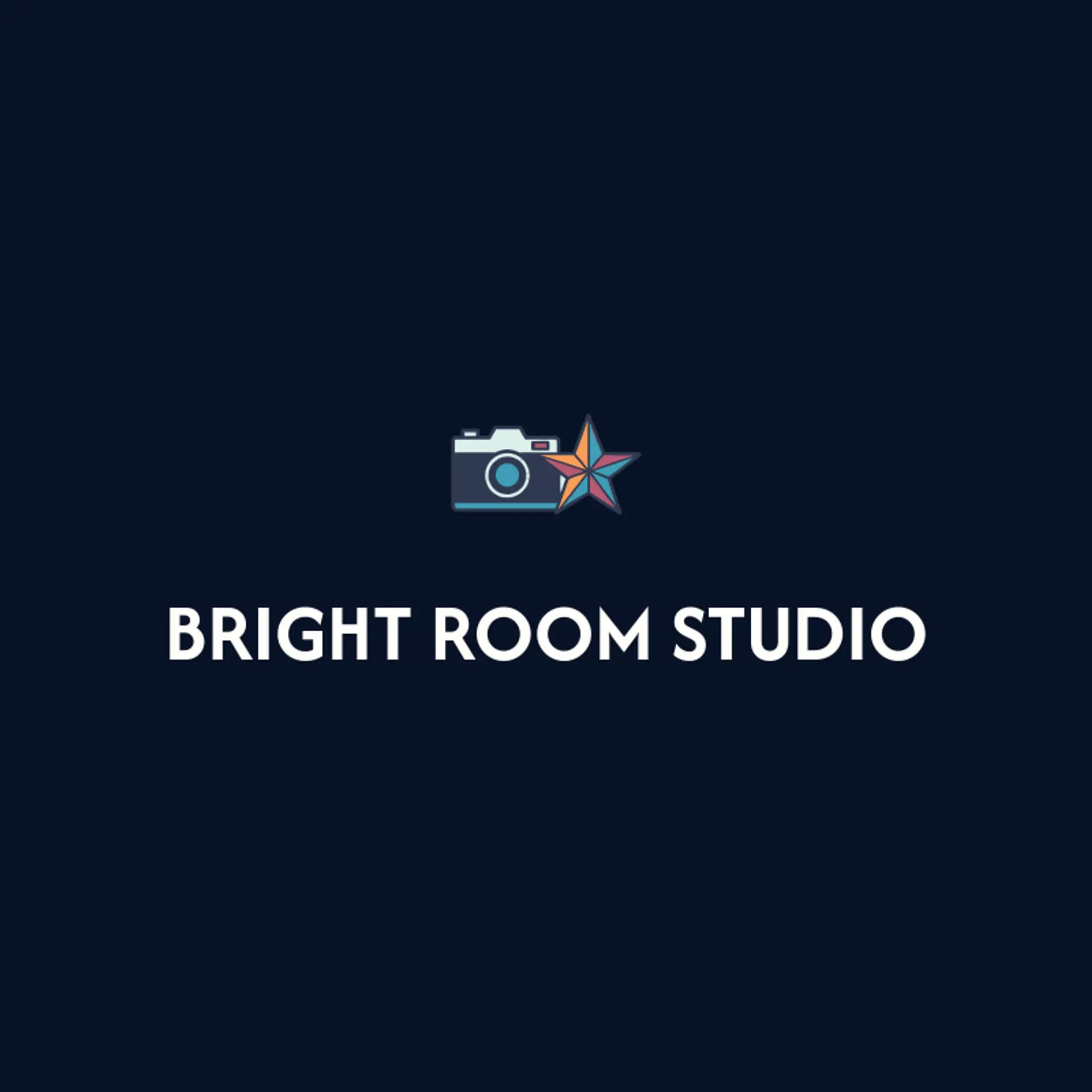
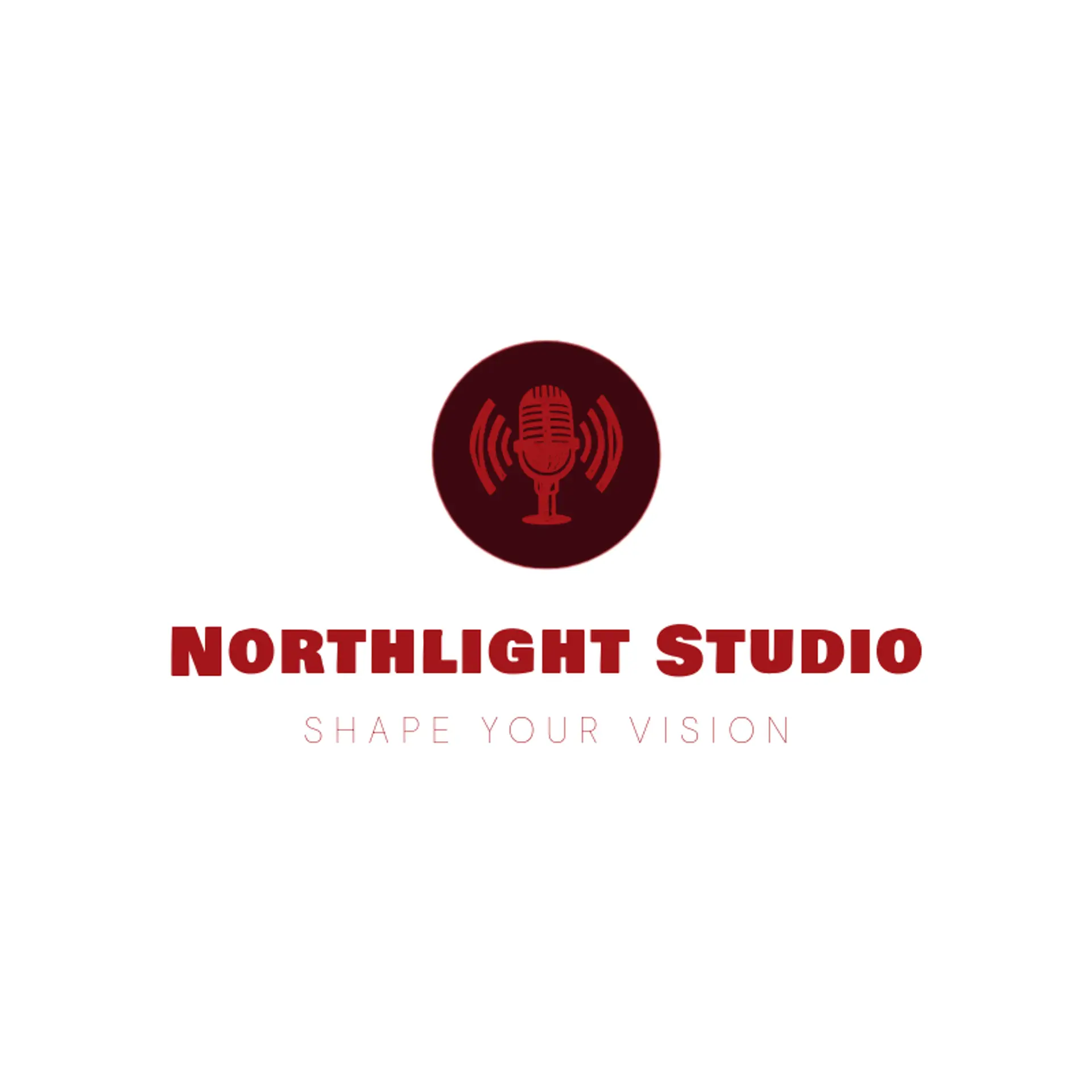
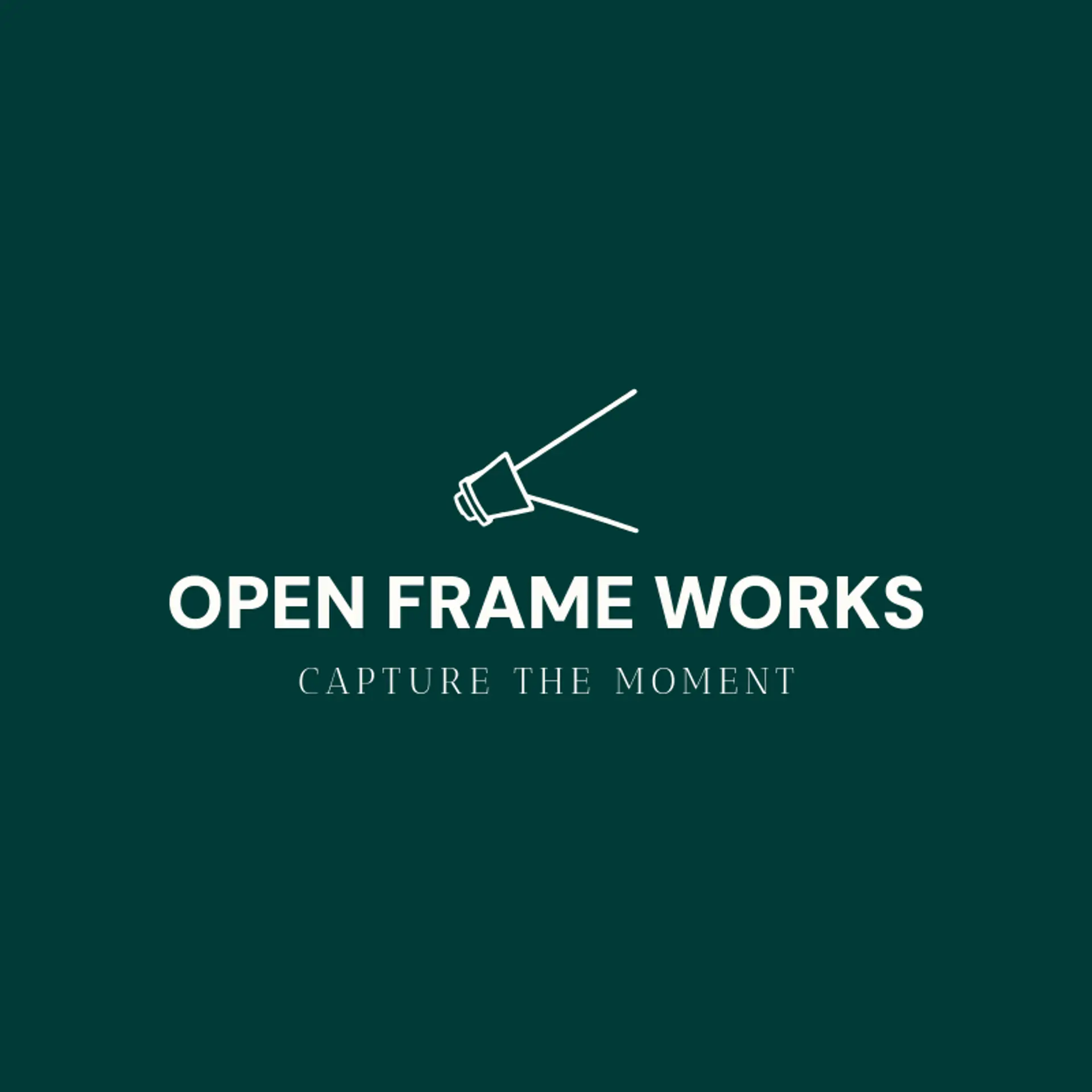
When it comes to the icon, a camera is an immediate starting point, and its lens shape can stay recognizable even when reduced to a simple geometric mark or paired with a star beside it for a creative studio. A microphone with sound lines beside it can signal recording and performance, while a spotlight with a clean beam suggests a place where ideas take center stage. For visual production brands, explore a film reel, a clapperboard, or headphones with a small spark beside the subject, keeping each silhouette bold enough for a video corner bug. Art and design studios can use a paintbrush with a spark, an aperture shape, or a record disc with a needle to show craft without adding clutter. Before you settle, connect the symbol to the studio story: a music room can lean into the microphone, a photo team can choose the camera, and a creative workshop can make the brush or spotlight its signature.
Icons To Make Your Studio Logo Stand Out
That balance of contrast and creative character carries into the lettering. According to LOGO.com data, sans serif typefaces made up 61% of font choices in those same studio logos over the past 12 months, followed by display at 17%, serif at 16%, and handwriting at 5%. The leading individual fonts were Geologica at 9%, Afacad at 6%, Open Sans at 5%, Schibsted Grotesk at 4%, and Albert Sans at 4%, giving the group a clear and contemporary voice. Set confident lettering against the strongest contrast from the first paragraph and keep the shapes open enough to read on a storefront, production slate, or small social avatar.
Studio Logo Ideas FAQs
Browse Related Logo Ideas
Aerial photography logosBest photography logosCar photography logosChannel logosCinematic logosComedy logosCool photography logosCreative photography logosCute photography logosDrama logosDrone photography logosFrame logosGeometric photography logosMovie logosNewborn photography logosNews channel logosNews logosPhotography business logosPhotography logosPhotography studio logosSimple photography logosStudio logosTheater logosUnique photography logosVideo logosVintage photography logosVlog logosWildlife photography logosYoutube channel logosDrawing logosFilm logosMovie studio logosPhoto logosTheatre logosProduction logosPublishing logosComic logosMagazine logosStream logosCelebrity logosComic book logosMovie theater logosArtistic logosBroadcast logosContent creator logosRadio station logosStreamer logosStreaming logosEditor logosIllustration logos