How to Reduce No Shows for Service Appointments
Reduce service appointment no shows by stacking reminders, deposits, and a clear policy. Seven proven methods that protect your time without scaring off clients.
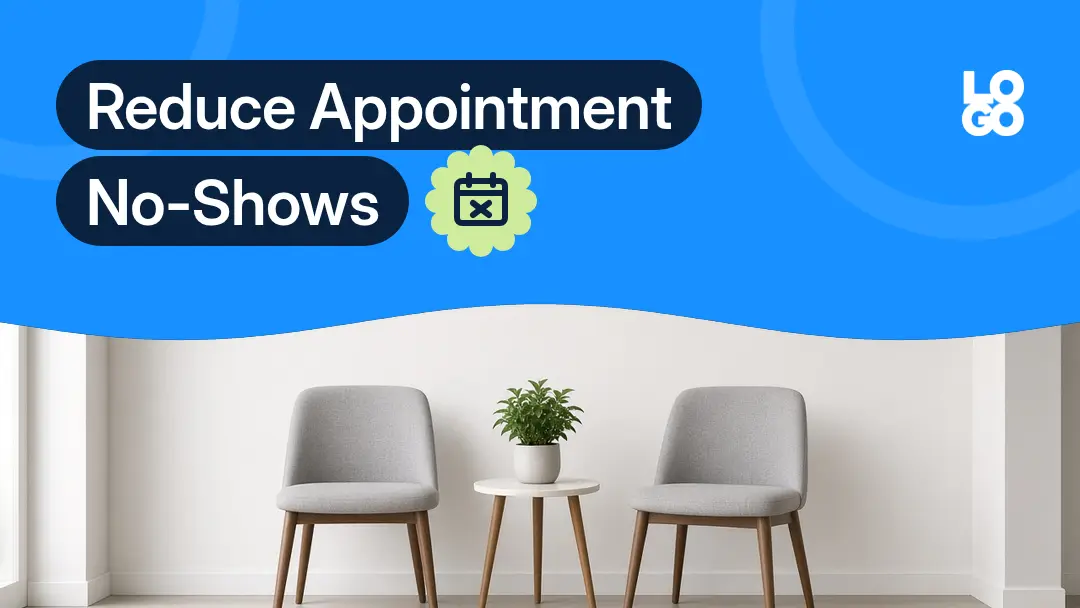
You reduce appointment no shows by stacking five small changes on top of each other. Send a friendly reminder 24 hours and one hour before the booking. Take a small deposit at checkout so the client has skin in the game. Ask for a quick confirmation tap inside those reminders. Publish a short cancellation policy on your booking page. Charge a modest no show fee only after a second offense. Layered together, these five moves cut missed appointments for most service businesses without making your brand feel cold or punitive.
Why no shows feel personal but rarely are
A missed appointment hurts more than the lost hour. It blocks another customer from that slot, throws off the rhythm of your day, and leaves you with that quiet sting of feeling forgotten. So you might be tempted to fix it with harsh rules and steep fees. Slow down before you go there.
Most no shows come from forgetfulness, life chaos, or a tiny moment of avoidance, not malice. A customer books a haircut three weeks out, forgets the date, and feels too awkward to call. A coaching client gets stuck in a school pickup and plans to reschedule later, then never does. A fitness member feels under the weather, intends to text, gets pulled into something else, and the slot goes empty.
You can lower the rate dramatically by removing friction and adding gentle accountability, not by punishing people for being human. Studies of medical and salon settings consistently show that simple reminders alone cut no shows by a meaningful margin. Layering on a small deposit pushes the rate down further. Adding a clear cancellation policy keeps the rest of your calendar protected.
Think of your booking flow as a relationship, not a transaction. Every reminder is a chance to make your client feel cared for. Every policy is a chance to set expectations that respect everyone's time. Done well, no show prevention actually warms your brand instead of cooling it.
Service businesses make up a sizable share of the brands built on LOGO.com, especially salons, mobile services, fitness coaches, and home repair pros. According to LOGO.com data, service categories sit among the most common industries founders pick when they create a brand on the platform. So if you feel calendar pressure right now, you are not alone, and the playbook below is built around what real service owners actually use.
Walk through the seven methods below in order. Start at the top, mix and match as you go, and stack the layers that fit your business.
1. Send reminder messages on a smart schedule
Reminders are the single biggest no show reducer you can deploy in one afternoon. Most missed appointments are not refusals. They are forgotten dates. A short message at the right moment fixes that.
The default that works for most service businesses uses three touches. The first is a friendly confirmation message right after booking. The second is a reminder 24 hours before the appointment. The third is a short reminder one to two hours before the appointment. That last nudge catches the cases where someone wrote the date down correctly but lost track of the time.
Mix your channels thoughtfully. Text messages get opened almost universally within minutes, but they can feel intrusive for some audiences, so use them for the day before tap and the final hour reminder. Email is gentler and a great fit for the initial confirmation because customers can add the time straight to their calendar from the message. If you offer your own customer portal or app, push notifications work well as a complement to text and email.
Write your reminders like a kind friend, not a corporate robot. Lead with the customer's first name, restate the time and address clearly, and end with one warm line that makes them want to show up. Something like, "We are looking forward to seeing you tomorrow, Alex. Friday at 2 pm at 14 Mill Street. Let us know if anything changes." That tone alone tends to lift confirmation rates because clients feel like a real person is expecting them.
Keep the door open in every message. Always include a one tap link to reschedule. If you make rescheduling easy, clients will choose that path instead of ghosting you. A missed slot you can refill costs you far less than a slot that stays empty until 5 pm.
If you want a deeper system for the writing side of your reminders, our guide to email marketing walks through tone, templates, and timing that work for tiny service teams.
2. Ask for a small deposit at booking
A deposit creates skin in the game without raising your prices. When clients put money down at the time they book, they treat the appointment with more care. The behavioral change usually shows up within the first week of switching on deposits.
You do not need to ask for full payment up front. A small fixed amount works beautifully for most service businesses. Twenty dollars covers it for haircuts and short coaching sessions. Forty to fifty dollars works for longer sessions like color treatments, deep tissue massage, and personal training. Higher ticket services like a full lash set or a half day strategy intensive can sit comfortably at one hundred dollars or twenty percent of the total.
Apply the deposit to the final bill. Customers feel better about paying when the money is moving toward the service they want, not toward a separate charge. Tell them clearly in the booking flow that the deposit credits against their visit. That single sentence removes most of the friction.
Make refund rules generous on the first attempt. If a client cancels with at least 24 hours of notice, return the deposit in full or roll it onto their next visit. If they cancel inside the 24 hour window for the first time, offer to roll it forward as a one time courtesy. That courtesy buys enormous goodwill and almost never gets abused once the policy is clear.
Watch the conversion math. Some service categories see a small dip in initial bookings after introducing deposits. That dip is almost always a feature, not a bug. The clients who walk away from a twenty dollar deposit were the most likely to no show in the first place, so your remaining schedule fills with more reliable people.
If a client objects to the deposit, hear them out before defending it. Most of the time, a short, warm explanation along the lines of "this is how we hold the slot for you" lands well. Your brand voice in those moments matters. A composed, gracious response keeps the relationship warm even when the policy holds firm.
3. Build a confirmation step into your process
Asking the customer to confirm with one tap turns a quiet no show into an early warning. When a client has to take a small action to say yes, you learn quickly which slots are at risk, and you have time to rebook them.
The cleanest pattern looks like this. The day before the appointment, the system sends a message that says, "Tap yes to confirm tomorrow at 2 pm, or tap reschedule if you need a new time." Clients who tap yes are far less likely to disappear. Clients who tap reschedule give you the gift of a known gap that you can fill.
Clients who do not respond at all are the interesting group. If the confirmation goes unanswered with twelve hours to go, send a softer follow up. If it is still silent six hours out, you have a clear signal to message your waitlist, post the open slot on Instagram stories, or call a regular who you know loves last minute availability.
Word the confirmation as an invitation, not a test. Phrases like "we are saving this time for you" feel warmer than "please confirm to keep your booking." The first invites a yes. The second hints at suspicion.
Add a fast reschedule link to the same message. The easier you make the reschedule, the fewer slots vanish into thin air. Some platforms let you offer two or three alternative times within the same tap. That feature is worth turning on because it removes the back and forth that often pushes clients into the silent treatment.
Track your confirmation rates over time. A healthy book usually sits in the 80 percent range for taps within a few hours of sending. If your number drops, your tone or timing probably needs a tune up.
4. Write a cancellation policy customers respect
A cancellation policy is not a punishment. It is a clear statement that your time is real. When customers see a thoughtful policy on your booking page, most of them respect it without ever testing it.
Keep the policy short. Three sentences usually do the job. Spell out your cancellation window, your reschedule rule, and your no show fee. Avoid legalese. You are writing to humans who want to like you.
A simple version reads like this. "We hold your slot the moment you book. Please give us at least 24 hours notice if you need to change or cancel so we can offer the spot to someone else. A no show or cancellation inside 24 hours forfeits your deposit."
Place the policy in two spots so no one is surprised. Show it on the booking page right above the confirm button. Repeat it in the confirmation email so the customer has a copy in their inbox.
Brand the policy in your voice. If your shop is playful, write the policy with a wink. If it is calm and clinical, keep it crisp. Either way, do not borrow a stiff template that does not sound like you. Customers can sense when a policy was bolted on, and they treat it less seriously when it feels copy and paste.
Update the policy when the business changes. If you raise your prices, revisit whether the no show fee still makes sense. If you start offering an early morning slot that is harder to fill, you may want a wider cancellation window on those bookings.
5. Limit last minute reschedules without locking the calendar
Reschedules are healthy. They keep your slots full and your clients feeling respected. Endless reschedules, on the other hand, slowly shred your day. The goal is to draw a soft line that protects your time while still giving clients a sense of freedom.
A practical rule that works for most service businesses limits free reschedules to one per booking inside the 24 hour window. After that, the client either keeps the original time or forfeits the deposit. Apply the rule with warmth and judgment, not robotic strictness. A regular who is having a rough month deserves grace. A new client who is already on their third move is showing you who they are.
Track the patterns. If one segment of clients reschedules constantly, that is data. Maybe your booking page is offering slots you cannot reliably staff. Maybe the time of day is wrong for that audience. Maybe a new school pickup or commute pattern is creating real conflicts. Adjust your schedule before you blame the clients.
When you do enforce the limit, explain it kindly. "We can move this one for you, but our system only allows one quick reschedule. Want me to lock you in for the new time?" That phrasing keeps the policy intact while still feeling like a friend is helping out.
6. Charge a no show fee the right way
Charging a fee is a sensitive move. Done well, it nudges behavior without scaring off the kind of clients you want. Done poorly, it becomes a public relations problem on Yelp before lunch.
Set the fee low enough to feel reasonable and high enough to matter. Many service businesses land somewhere between 25 and 50 percent of the service price. That range stings just enough to register without making clients feel mugged.
Wait for the second offense before you actually charge. Most service brands quietly waive the fee the first time and use that conversation to set expectations. The customer hears, "We will let this one go since it is the first time, but our policy is that no shows are charged." Most clients never test the policy after that. The ones who do, you can charge with a clear conscience.
Process the charge automatically through the card on file. Mixing the policy with a request to pay manually creates an awkward standoff. Card on file removes the drama. Make sure your booking platform supports this so you do not have to send invoices for missed appointments.
Brand the fee clearly in your communication. Avoid sneaky terminology. Call it a no show fee or a missed appointment fee. Customers respect plain language. Hidden surcharges almost always backfire.
If a client disputes the charge with their bank, respond promptly with proof of the policy, the booking confirmation, and any reminders sent. Most disputes get resolved in your favor when you have a clean paper trail.
Even when you charge, your message stays kind. "We missed you on Tuesday. Per our cancellation policy, the deposit covers the missed slot. We would love to get you rescheduled. Here are three open times this week." That tone retains the customer relationship even after a small bump.
7. Call high value clients personally
Some clients carry an outsized share of your monthly revenue. Treat them differently than the general booking flow. A two minute personal call from you the day before a big appointment lifts attendance, deepens the relationship, and surfaces small problems before they grow.
You do not need to call every customer. Reserve the personal call for clients spending above a clear threshold, booking a long session, or scheduling something seasonally important like a wedding day style or a year end strategy review. Even a short voice note feels warmer than an automated text.
Use the call to confirm the time, ask if anything has changed, and reaffirm the value of the session. "Hi Maria, looking forward to seeing you tomorrow at 10. Anything you want me to prep before we get started?" That single question turns the appointment into a thoughtful service experience and shifts the perceived cost of a no show from your time to their relationship with you.
Keep notes after each call. If Maria mentions she is between meetings, you can plan to start her session on time without small talk. If she shares that her partner is unwell, you can soften the rebooking process if a cancellation comes through. Those touches separate a good service business from a forgettable one.
The personal call is your secret weapon, but it does not scale. Pair it with the automated layers above, and you have a full system. Software handles the volume. You handle the relationships that matter most.
How to layer these methods for best results
You do not have to deploy all seven moves at once. Start with reminders and a clear cancellation policy. Those two alone usually drop no shows by a healthy margin within two weeks. Then add deposits once your reminder rhythm is humming. Add the confirmation step third. Reserve the no show fee for after the first three layers are stable.
Set a quiet baseline before you change anything so you can measure the impact. Pull your no show rate for the prior eight weeks. After each new layer goes live, check the number again four weeks later. If you skip the measurement, you will struggle to know which moves are pulling weight.
Watch for trade offs as well. A small dip in initial bookings after deposits go on is normal and usually a sign that lower commitment clients are filtering themselves out. A spike in customer service messages after a new policy goes live is also normal for a week or two. Train your front desk or your inbox replies to handle those conversations gracefully and the volume drops back to baseline quickly.
Once your no show rate is sitting where you want it, focus on the front of the funnel. If you are still building out your client base, our local clients guide for service businesses covers how to keep your booking pipeline full so the few inevitable no shows feel less catastrophic.
Frequently asked questions
What is a normal no show rate for a service business?
Industry averages sit between 10 and 30 percent depending on the category. Solo home services and high price salons tend to land near the lower end. Free or low cost intro sessions tend to land near the higher end. A healthy book after you implement the layers above should sit at 5 to 8 percent for most niches.
Should I always charge a no show fee?
Not on the first offense. A short conversation works better than an immediate charge for most relationships. Save the fee for repeat offenses or for clients who book higher value services where the missed time is genuinely hard to recover. Charging too aggressively damages your reviews and your repeat business more than it protects your calendar.
How far in advance should I send reminders?
Two reminders cover most cases. Send one 24 hours before and one between one and two hours before. For longer sessions or first time clients, a third soft reminder three to five days before the appointment can lift confirmation rates further.
Do deposits scare off new clients?
A modest deposit rarely scares off the clients you want. The clients who walk away from a 20 to 40 dollar deposit are usually the same clients with the highest no show risk. Track the math before and after introducing deposits. Most service businesses report a small dip in initial bookings and a much larger drop in no shows, which is a clear net win.
What if a client has a real emergency?
Treat emergencies as one off exceptions, not policy precedents. Refund the deposit, rebook them with care, and resist the urge to write the exception into your formal policy. The strongest service brands keep policies clean and handle edge cases with warmth.
What software do I need to make this work?
You can start with whatever booking tool you already use, as long as it sends confirmation messages and accepts deposits. Popular options include scheduling tools like Calendly, Square Appointments, Acuity, and Vagaro. Choose the one that integrates with your existing payment processor so deposits flow without extra clicks.
Protect your time, keep your brand warm
You can drop your no show rate without turning your brand into a cold compliance machine. The trick is layering small friendly nudges and a clear, calmly worded policy. Reminders do most of the heavy lifting. Deposits create real commitment. A short policy sets expectations. Personal calls protect your biggest relationships. Each piece reinforces the others.
Spend a free afternoon this week turning on the first two layers. Write your reminder sequence, post a three sentence cancellation policy on your booking page, and watch your calendar over the next month. The difference is usually visible within two billing cycles.
If you are building or refreshing the brand around your service business while you are at it, you can put together a logo, a color palette, and matching email signatures inside a single afternoon at LOGO.com. A clean brand makes every reminder, confirmation, and policy land softer, because clients see a real business behind the message instead of a generic template. Strong brand, kind policy, full calendar. That is the goal.
Recent posts
Oct 19, 2026 by: Sean Baker
Oct 14, 2026 by: Vanessa Lam
Oct 12, 2026 by: Sean Baker
Oct 5, 2026 by: Sean Baker