Email Marketing for Small Businesses on a Budget
Learn how to start email marketing for your small business without overspending, from choosing a free platform to writing your first campaign.
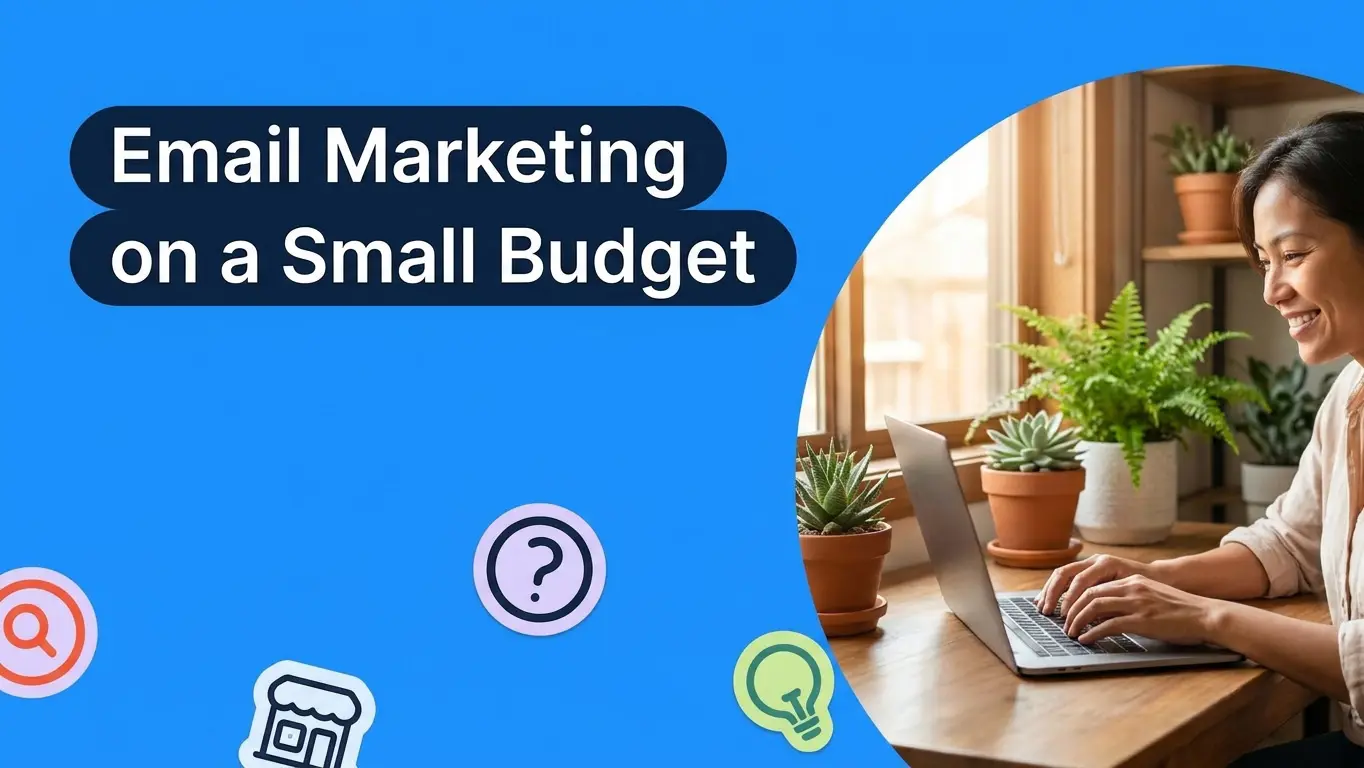
You can start email marketing for your small business on a tight budget by choosing a free platform like Mailchimp or MailerLite, sending to the customers you already have, and keeping your first campaigns simple. You do not need a massive list or an expensive tool to see results. Most small businesses can launch their first email campaign in under an hour using a free plan, a basic template, and a short message that provides genuine value to their audience. The key is to start small and stay consistent.
Why Email Marketing Still Works for Small Businesses
Email marketing remains one of the highest returning marketing channels available to small business owners. For every dollar you spend on email marketing, you can expect an average return of $36 according to industry benchmarks. That makes it one of the most affordable ways to stay connected with your customers and drive repeat sales.
Unlike social media, where algorithms control who sees your content, email lands directly in your subscriber's inbox. You own your email list, which means you are not at the mercy of a platform that could change its rules overnight. If Instagram adjusts its algorithm tomorrow, your reach could drop. But your email list stays with you no matter what happens.
For small businesses running on tight margins, this matters. You do not need to pay for ads to reach people who already want to hear from you. A bakery owner with 200 email addresses has 200 direct lines to people who have walked through the door and liked what they found. According to LOGO.com data, bakeries are among the top 20 most common business types on the platform, with more than 130 bakery owners building their brand in the past three months alone. That tells you just how many small food businesses are investing in their brand presence, and email is one of the best ways to put that brand to work.
Email also gives you full control over your messaging. You decide when to send, what to say, and how to say it. There are no character limits, no competing posts in a feed, and no pay to play model standing between you and your audience. When someone opens your email, they are giving you their undivided attention for a few seconds, and that is an opportunity no other marketing channel can match at this price point.
Choosing the Right Email Platform on a Budget
The number of email platforms available today can feel overwhelming, especially when you are just getting started. The good news is that several of the most popular platforms offer free plans that are generous enough for most small businesses.
Mailchimp gives you a free plan for up to 500 contacts and 1,000 sends per month. MailerLite offers a free tier for up to 1,000 subscribers with most of its core features included. Brevo (formerly Sendinblue) lets you store unlimited contacts and send up to 300 emails per day on its free plan. Each of these platforms includes drag and drop email builders, basic templates, and simple analytics.
When comparing platforms, focus on three things. First, look at the subscriber and send limits on the free plan to make sure they cover your needs. Second, check whether the platform includes automation features even at the free tier, because automations save you hours of manual work each month. Third, consider how easy the editor is to use, because if you find it frustrating, you will not stick with it.
You do not need every feature right away. Start with a platform that lets you send clean, branded emails to your current list. You can always upgrade or switch platforms later as your subscriber count grows and your needs become more sophisticated.
Building Your Email List From Scratch
If you already have customer emails collected from in store visits, online orders, or event signups, you have a head start. The next step is to make list building a consistent habit rather than a one time effort.
Add a signup form to your website, even if it is a simple one. Most email platforms provide embeddable forms you can drop into any page. Place the form on your homepage, your about page, and your checkout or contact page so visitors always have a chance to subscribe.
Offer something small in exchange for an email address. This does not need to be elaborate. A bakery could offer early access to seasonal menus. A freelance designer could share a free brand checklist. A personal trainer could send a weekly workout tip. The goal is to give people a reason to subscribe beyond a generic "sign up for our newsletter" prompt.
Use your physical location if you have one. A simple sign at the register that says "Get exclusive offers by email" paired with a QR code linking to your signup form can steadily grow your list over time. You can also ask customers at the point of sale if they would like to receive updates, which works especially well for service businesses and retail shops.
Promote your email list on social media. Mention it in your Instagram bio, share snippets of recent emails in your stories, and remind followers that email subscribers get content they cannot find anywhere else. This cross promotion turns casual followers into engaged subscribers.
Never buy email lists. Purchased lists are full of people who did not ask to hear from you, which leads to high unsubscribe rates, spam complaints, and potential violations of email regulations like CAN SPAM and GDPR. Build your list organically and every subscriber will be someone who actually wants to hear from your business.
Writing Your First Email Campaign
Your first email does not need to be perfect. It needs to be helpful, honest, and true to your brand voice. Here is a simple approach that works for any type of small business.
Start with a clear subject line. Keep it under 50 characters so it displays fully on mobile devices. Be specific about what the reader will get. "This week's menu is here" works better than "Newsletter #1" because it tells the reader exactly what to expect when they open your email.
Write like you are talking to one person. The best small business emails feel like a message from a friend, not a corporate announcement. Use "you" and "your" throughout. Share a quick story, a behind the scenes detail, or a useful tip before you ask for anything in return.
Keep your emails short, especially early on. Three to five short paragraphs plus one clear call to action is plenty for your first few campaigns. Tell the reader what you want them to do next, whether that is visiting your shop, checking out a new product, booking an appointment, or simply replying to the email with feedback.
Timing matters, but do not overthink it. Most studies suggest that Tuesday through Thursday mornings tend to get the highest open rates for small business emails. But the best time to send is whenever you can be consistent. Picking a day and sticking with it is more important than finding the theoretically perfect send time.
Branding Your Emails for a Professional Look
One of the fastest ways to make your emails look polished is to keep your branding consistent. When a subscriber opens your email, they should immediately recognize it as coming from your business.
Start with your logo at the top of every email. This is the simplest branding decision you can make, and it sets the tone for everything below it. If you do not have a logo yet, creating one should be your first step before you launch any email marketing campaigns.
Choose two or three colors from your existing brand palette and use them for headings, buttons, and accent elements. Stick with one or two fonts that match what you use on your website and social media. This kind of visual consistency is what separates amateur looking emails from professional ones, and it builds trust with every send.
Keep your email layout clean and simple. A single column layout works best for most small businesses because it reads well on mobile devices, which is where the majority of people open their email. Avoid cluttering your emails with too many images, multiple competing calls to action, or dense walls of text that discourage reading.
Add your social media links and contact information in the footer. Include a physical address if required by your country's email regulations. A clean, branded footer signals to subscribers that you are a legitimate business that takes communication seriously.
Your brand kit is a powerful asset here. If you have already defined your visual identity, every email you send reinforces that identity in your customer's inbox. For guidance on assembling your brand elements, LOGO.com has a helpful guide on building a brand kit that keeps your look consistent across all your marketing channels.
Setting Up Simple Automations That Save You Time
Email automation sounds complicated, but the basics are simpler than you might think. Even on free plans, most platforms let you set up at least one or two automated sequences that run in the background while you focus on your business.
The most valuable automation for a small business is the welcome email. When someone joins your list, they should receive an email within minutes introducing your business, setting expectations for what kind of emails they will receive, and delivering whatever incentive you promised in exchange for their signup.
A welcome email typically gets the highest open rate of any email you will ever send. People are most engaged right after they subscribe, so make that first impression count. Thank them for joining, share something useful or unexpected, and give them one clear next step.
If your platform allows it, set up a simple three email welcome sequence. The first email introduces your business and what makes it special. The second shares your most popular product, service, or piece of content. The third invites the subscriber to connect with you on social media, visit your store, or take advantage of a special offer for new subscribers.
Beyond the welcome sequence, consider a simple birthday or anniversary email if you collect that data. A "we miss you" email sent to subscribers who have not opened your last several emails can also help reengage people who have drifted away. These small touches make your subscribers feel valued without requiring much effort from you once they are set up.
You do not need complex branching logic or dozens of automated flows to start. One or two well crafted automations can handle a surprising amount of your email workload while you focus on the parts of your business that need your direct attention.
Measuring What Works and What Needs Fixing
Once you start sending emails, your platform will show you a few key metrics that tell you how your campaigns are performing. You do not need to become a data analyst to make sense of them.
Open rate measures the percentage of subscribers who opened your email. For small businesses, an open rate between 20% and 30% is considered healthy. If your open rate falls below that range, your subject lines may need work, or you may be sending at the wrong time of day.
Click rate measures how many people clicked a link in your email. If your open rate is solid but your click rate is low, the content of your email might not be compelling enough, or your call to action might be buried or unclear. Try making your main link or button more prominent and see if that changes the numbers.
Unsubscribe rate tells you how many people opted out after receiving your email. A small number of unsubscribes after every send is completely normal and actually healthy for your list. If you see a sudden spike, look at what changed in that particular email. Did you send too frequently? Was the content off topic or overly promotional?
Do not obsess over metrics after every individual send. Instead, review your numbers once a month and look for patterns. Which subject lines got the highest opens? Which topics drove the most clicks? Industry reports from sources like Litmus can help you benchmark your performance against other small businesses in your category. Use that information to do more of what works and less of what does not.
The goal is steady improvement over time, not perfection from day one. Even professional marketers with years of experience test and iterate constantly. Give yourself the same grace as you learn what resonates with your specific audience.
Common Email Marketing Mistakes to Avoid
Knowing what not to do is just as valuable as knowing what to do when you are starting out. Here are the most common pitfalls that trip up small business owners with their email marketing.
Sending without permission is the biggest mistake you can make. Adding people to your list without their explicit consent violates email regulations in most countries and damages your sender reputation. Always use opt in forms and never assume that a business card exchange or a social media follow counts as permission to email someone.
Being too promotional is another common trap. If every email you send is a sales pitch, your subscribers will tune out quickly. Aim for a mix of helpful content, personal stories, and promotional messages. When you do promote, make sure the offer is genuinely valuable to the reader.
Inconsistent sending erodes trust and hurts your deliverability. If you send three emails one week and then disappear for two months, your subscribers will forget who you are, and email providers may start filtering your messages. Pick a schedule you can maintain and stick with it.
Ignoring mobile optimization is a costly oversight. More than half of all emails are opened on mobile devices, so your emails need to look great on a small screen. Use a single column layout, keep your subject lines short, and make sure your call to action buttons are large enough to tap easily.
Skipping the welcome email is a missed opportunity. As mentioned earlier, the welcome email gets the highest engagement of any email you will send. Not having one means you are wasting the moment when your subscriber is most interested in hearing from you.
Frequently Asked Questions
How often should I send marketing emails to my customers?
Start with once a week or every other week. Consistency matters more than frequency. Your subscribers will learn when to expect your emails and look forward to them. If once a week feels like too much to manage alongside running your business, every other week is perfectly fine. Avoid sending so infrequently that people forget they signed up in the first place.
What should I write about in my business emails?
Share what you know. A bakery could highlight seasonal flavors, share a baking tip, or feature a loyal customer's story. A consultant could share a quick industry insight or a lesson learned from a recent project. Focus on providing value first and promoting your products second. A good ratio is roughly 80% helpful content and 20% promotional content.
Do I need to worry about email laws and regulations?
Yes, but the basics are straightforward. Always include an unsubscribe link in every email. Never add someone to your list without their permission. Include your business name and physical address in the footer. If you serve customers in the European Union, make sure your signup process is GDPR compliant by using explicit opt in forms. Most email platforms handle the technical requirements for you automatically.
Is it worth paying for an email platform as a small business?
Not right away. Free plans from platforms like Mailchimp, MailerLite, and Brevo are more than enough for most small businesses starting out. You get access to email builders, basic templates, and essential analytics without spending a cent. Upgrade only when you outgrow the free tier's subscriber limits or need advanced features like detailed segmentation, advanced automation, or priority customer support.
How do I keep my emails from going to spam?
Use a recognizable sender name and email address that your subscribers will remember. Avoid spam trigger words in your subject lines like "free money" or "act now." Send consistently so email providers learn to trust your sending patterns. Encourage new subscribers to add you to their contacts when they first sign up. And always make it easy for people to unsubscribe, because a clean list with engaged subscribers performs far better than a bloated list full of people who stopped reading months ago.
Start Building Your Brand Today
Email marketing is one of the most effective and affordable tools available to small business owners, and you do not need a big budget to get started. Choose a free platform, send to the people you already know, and focus on being helpful and consistent. Those three steps alone will put you ahead of the majority of small businesses that never send a single email to their customers.
Before you send your first email, make sure your brand looks polished and professional. A strong logo and a cohesive visual identity make every email you send look more trustworthy and memorable. If you have not set up your brand yet, you can create a complete brand kit at LOGO.com in minutes and start putting it to work across your email campaigns, social media, website, and everything else your customers see.
Your customers already want to hear from you. Give them a reason to keep opening your emails, and you will build a marketing channel that grows with your business for years to come.
Recent posts
Oct 19, 2026 by: Sean Baker
Oct 14, 2026 by: Vanessa Lam
Oct 12, 2026 by: Sean Baker
Oct 5, 2026 by: Sean Baker