




Logo Design Considerations for a First Aid Business
According to LOGO.com data, the five most popular colors in first aid logos created on LOGO.com over the past 12 months were white at 30%, blue at 17%, black at 12%, green at 11%, and grey at 8%. White and blue lead with a calm, clinical clarity that suits care teams and emergency services, while black, green, and grey bring contrast and a reassuring connection to health and recovery. If you want a first aid logo that feels dependable on uniforms, vehicle markings, signs, and social profiles, start with a clean white or blue base and let one of these accent colors define the response your brand offers.
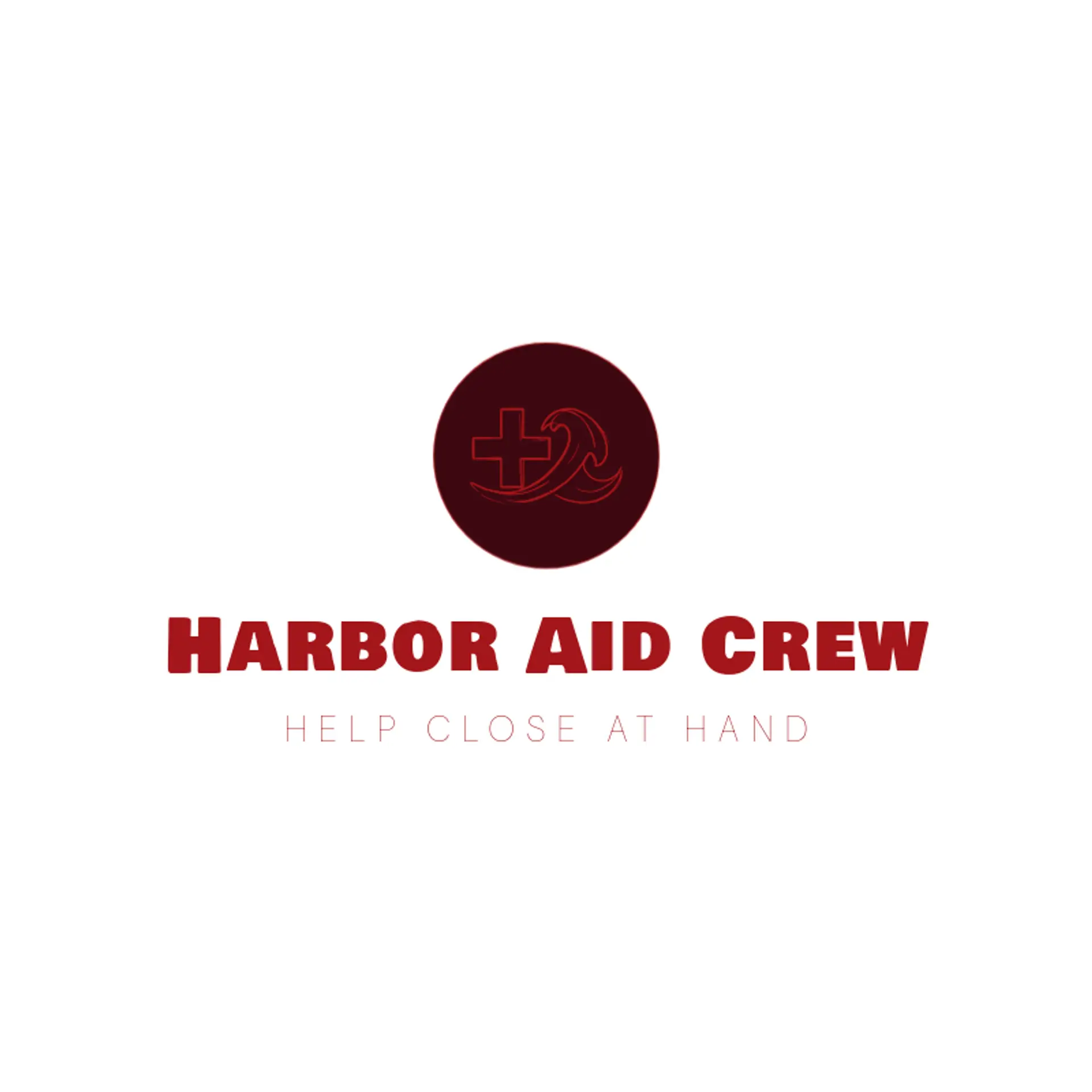
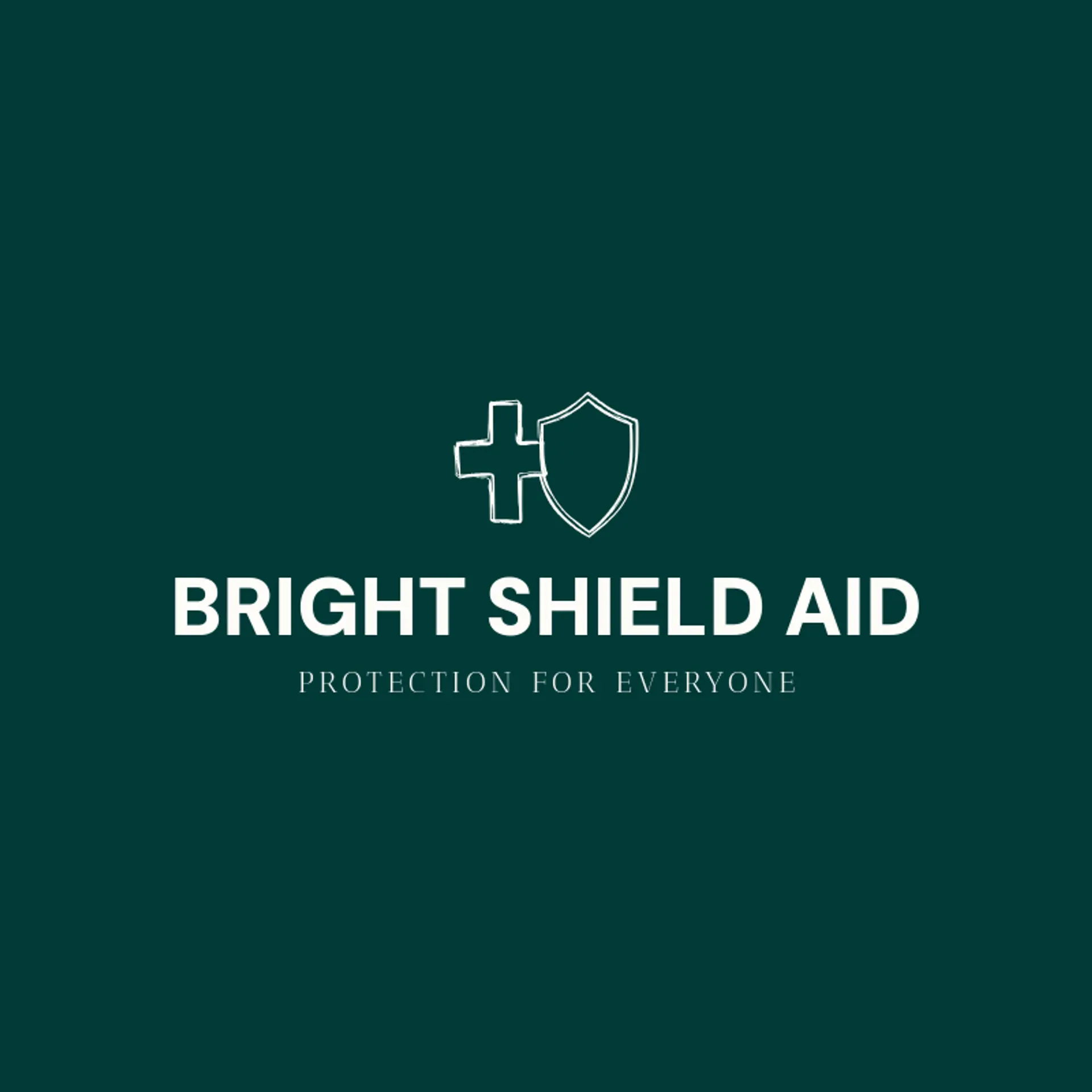
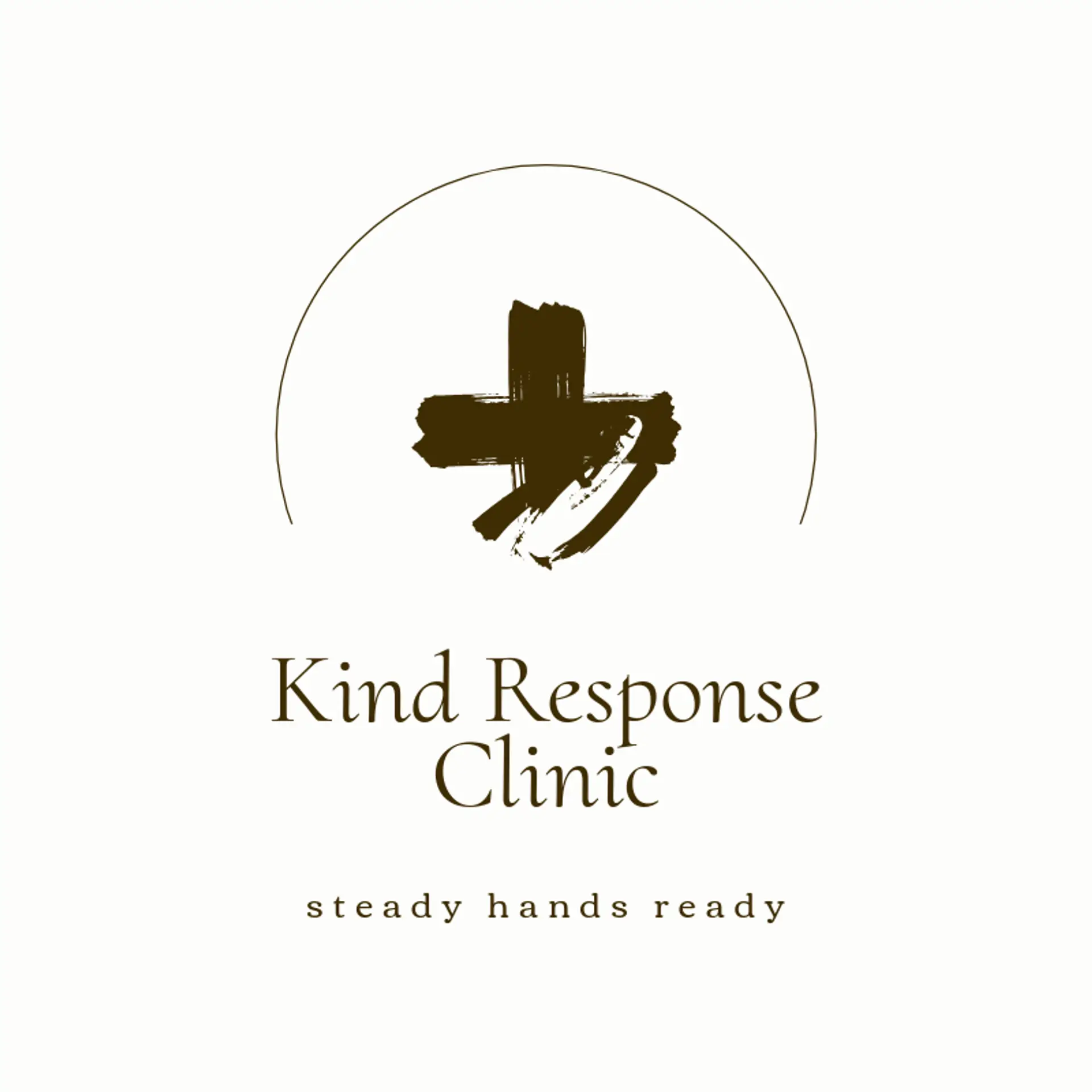
When it comes to the icon, the first aid cross is the obvious starting point because its simple geometry reads instantly at a distance and can be shaped with generous, balanced arms. A bandage is a useful alternative, with the folded ends beside the cross so the mark suggests practical care without becoming busy. For a more personal direction, sketch a heart with a small pulse line beside it, a stethoscope with its loop kept open, or a helping hand beneath a medical star. A small ambulance silhouette can bring urgency to a response service, while a shield with a cross can signal protection for a clinic or community team. For family care brands, combine a flower with a cross or use a gentle sunburst beside a heart. Before settling on one symbol, brainstorm from the story of the service: a mobile team can pair the cross with a road line, a school program can use a heart and star, and a neighborhood clinic can anchor its mark with a friendly hand and leaf.
Icons To Make Your First Aid Logo Stand Out
The same instinct for calm contrast carries into the lettering. According to LOGO.com data, sans serif typefaces made up 67% of the font choices in those same first aid logos over the past 12 months, with serif styles at 16% and display styles at 14%. The favorite individual fonts were Geologica at 14%, Open Sans at 8%, Schibsted Grotesk at 7%, Afacad at 6%, and Antic Didone at 3%, giving the category a mix of clear modern forms and a little editorial character. Set open, sturdy letterforms against that white or blue base with a focused accent, and a first aid logo stays legible on uniforms, response vehicles, clinic materials, and small digital spaces.
First Aid Logo Ideas FAQs
Browse Related Logo Ideas
Ambulance logosAutism logosAyurvedic logosBiopharma medical logosClinic logosDental logosDiagnostics logosDisability logosDoctor logosFirst aid logosHealth insurance logosHealth logosHealthcare administration logosHealthcare logosHospital logosMedical clinic logosMedical logosMedicine logosMental health logosNurse logosPathology logosVeterinary logosDentist logosHealth care logosStethoscope logosChiropractic logosFirst aid kit logosMedic logosTherapy logosCovid logosCure logosParamedic logosPediatrician logosBiotechnology logosCaregiver logosDentistry logosDermatology logosHome care logosHospice logosLife insurance logosWheelchair logosFoot logosObgyn logosPill logosPsychologist logosRecovery logosSpine logosSurgery logosToothpaste logosVaccine logos