


Logo Design Considerations for a Dance Business
According to LOGO.com data, the five most popular colors in dance logos created on LOGO.com over the past 12 months were white at 24%, black at 16%, blue at 11%, green at 10%, and grey at 9%. The dominance of white and black reflects the stark elegance of the dance world, from ballet pointe shoes to contemporary black box theaters, while blue, green, and grey add depth and sophistication to brand identities. If you want a dance logo that captures movement and energy while staying timeless, begin with a clean white or black foundation and layer in one accent color to express your studio's personality and style.
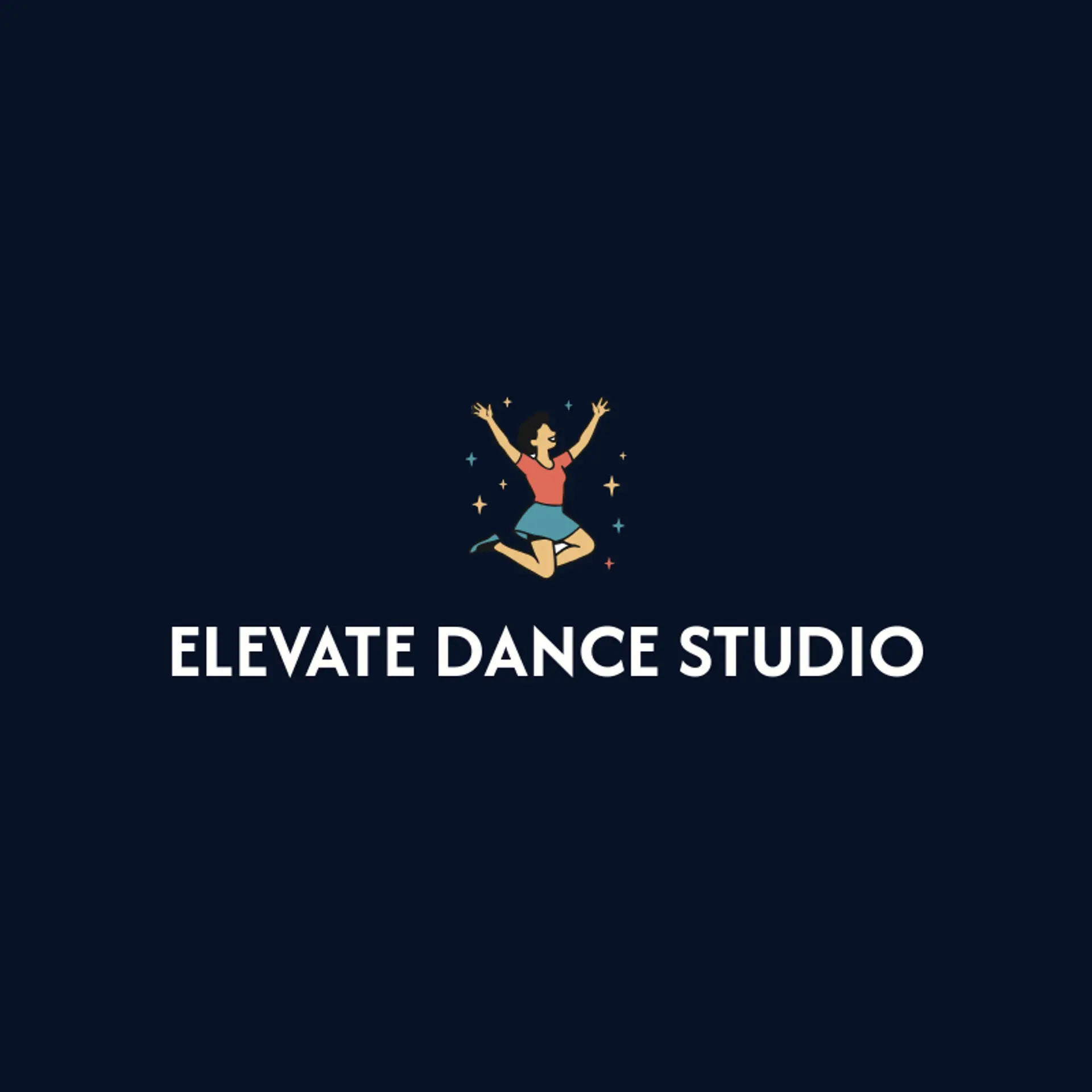
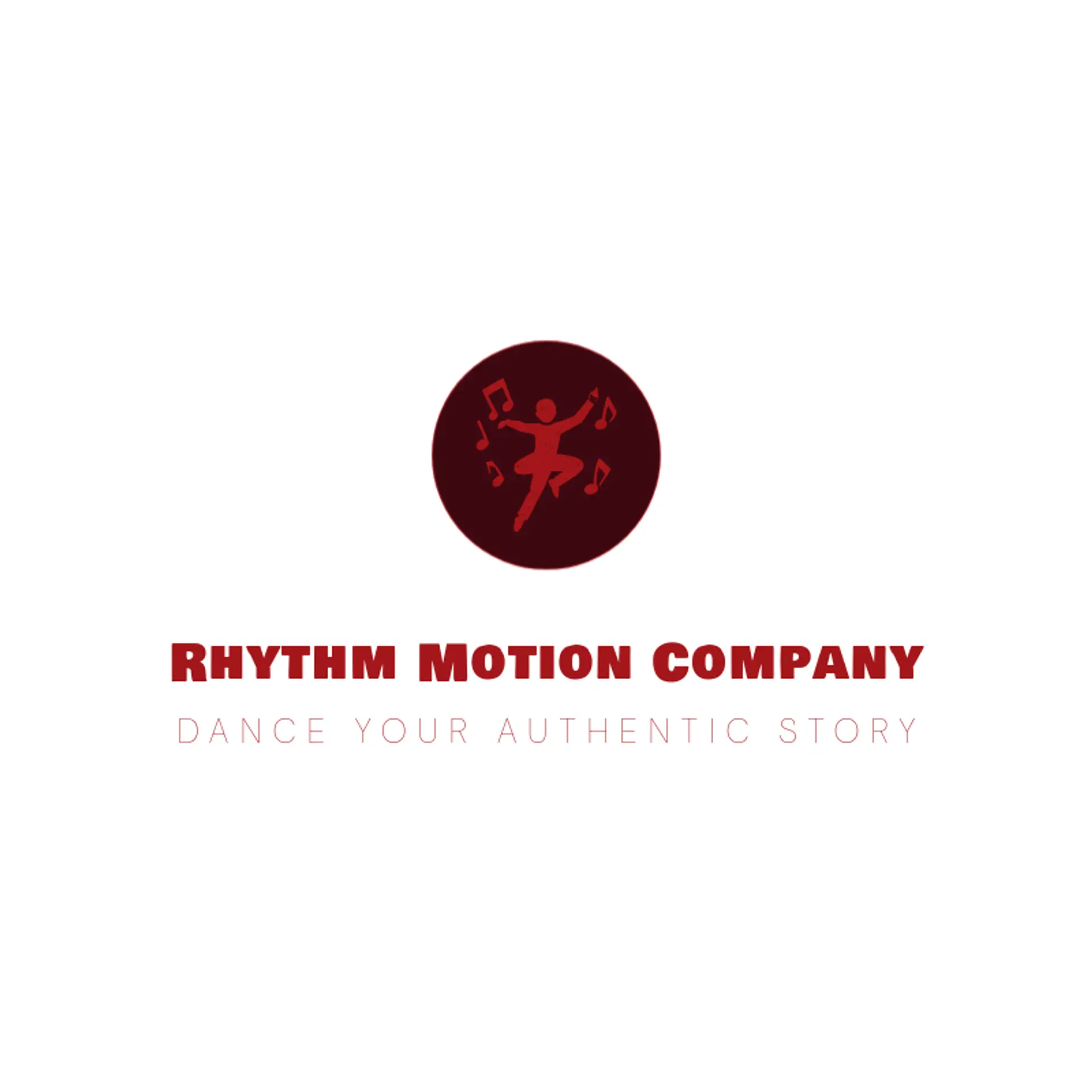
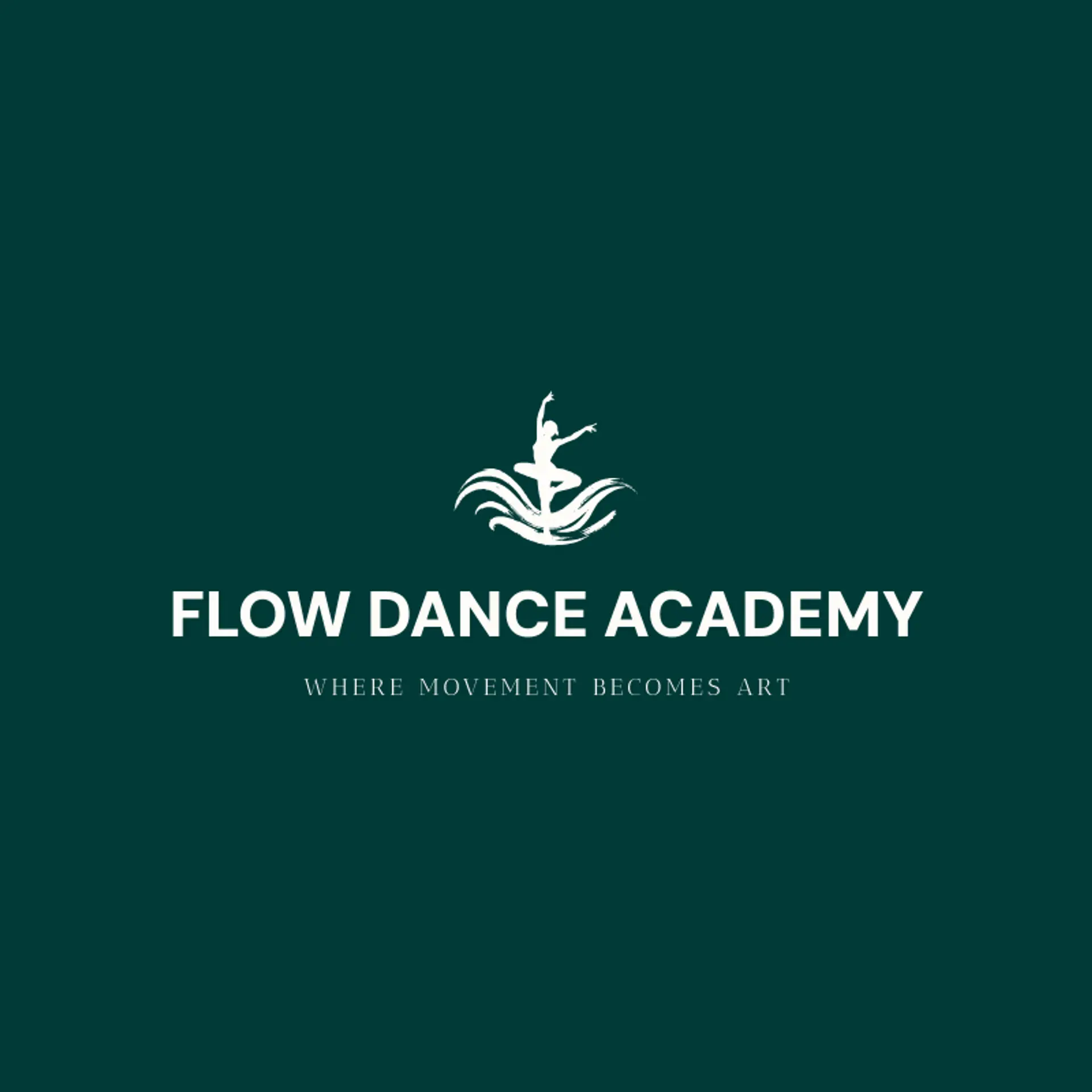
The human form is the obvious starting point for any dance icon, and it earns its place: a single dancer in silhouette is instantly recognizable whether stretched in an arabesque, caught mid leap, or twisted in a contemporary fold. The empty negative space within a dancer's pose can house a secondary image, like a heart, a musical note, or geometric shapes that suggest motion and flow. The stage itself offers untapped potential: a stage floor with a dancer alone, a spotlight beam illuminating movement, or theatrical curtains framing a figure in flight. Pair the dancer with your studio's own story: a pointe shoe with a city skyline, a jazz hand beside stage lights, or a dancing figure with music flowing around it. Footprints, twirls, and trails of motion suggest the ephemeral beauty of dance, while props like ribbons, masks, or crown shapes can elevate a design into something truly memorable and unique.
Icons To Make Your Dance Logo Stand Out
The same instinct for elegance carries through the typeface choices. According to LOGO.com data, sans serif typefaces dominated dance logos over the past 12 months at 64%, with display styles at 15%, serif at 16%, and handwriting scripts at just 5%. The font favorites included Geologica at 20%, Afacad at 6%, Open Sans at 4%, Schibsted Grotesk at 4%, and Afacad Flux at 3%. These clean, modern letterforms pair beautifully with your white or black base and accent color, creating a logo that reads as refined on a studio door, a performance poster, or a social media profile. The result is a dance brand identity that moves as gracefully across mediums as the dancers it represents.
Dance Logo Ideas FAQs
Browse Related Logo Ideas
ASMR logosAudio logosBass logosCool music logosCountry music logosCreative music logosDance logosDeath metal logosGuitar logosHeadphones logosHouse music logosMetal band logosMicrophone logosMusic app logosMusic artist logosMusic band logosMusic festival logosMusic label logosMusic logosMusic producer logosMusic production logosMusic studio logosRock band logosRock logosSound logosMusic note logosDrum logosHarp logosDance studio logosDisco logosHip hop logosVinyl logosConcert logosDancer logosHeadphone logosKaraoke logosRave logosRecording logosRock and roll logosSinging logosSound wave logosVoice logosKeyboard logosRock music logosSalsa logosStereo logosSymphony logosRockstar logosSoundcloud logosViolin logos